


Yampa Valley Electric Association Solar: The 10 kW Cap and What It Means
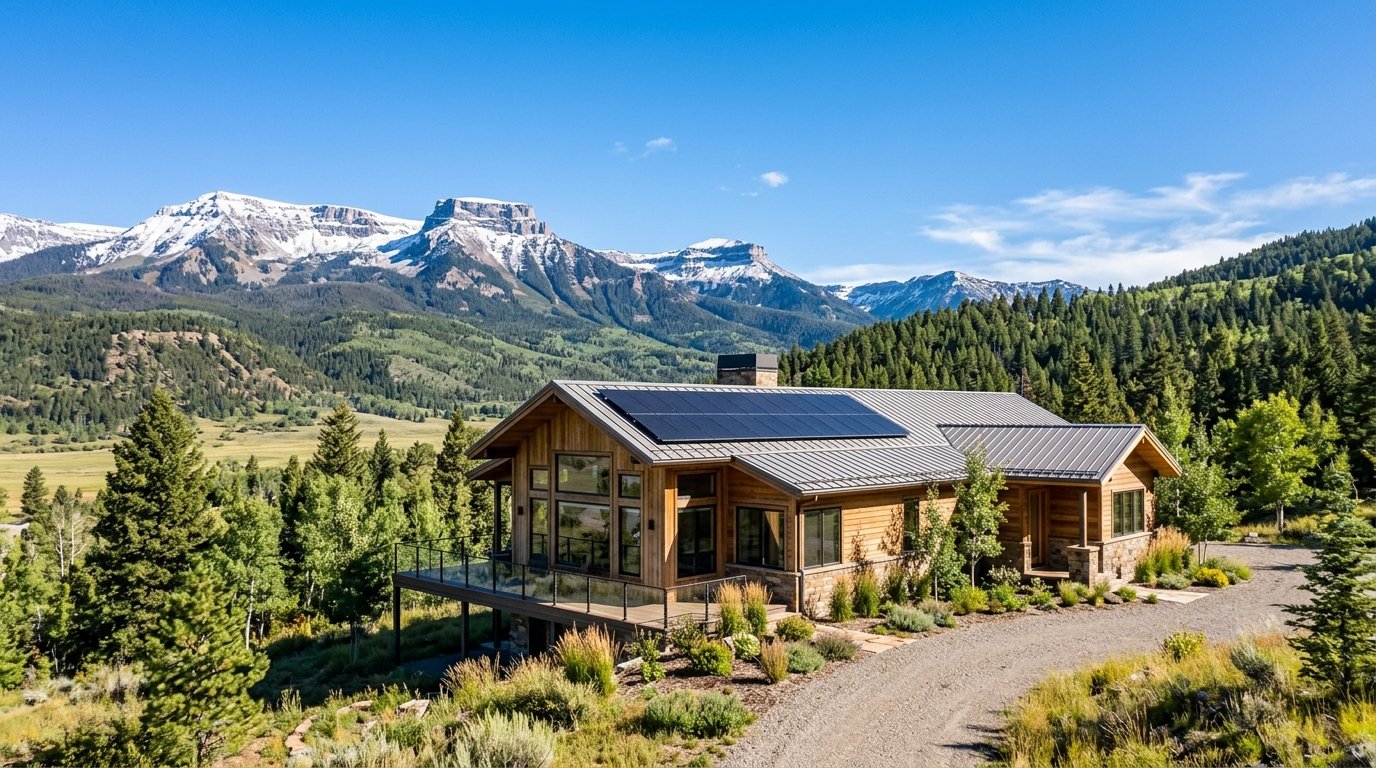
If you are weighing solar in Steamboat Springs, Craig, or anywhere else in Routt and Moffat counties, the most important number to understand is the YVEA solar net metering cap. Yampa Valley Electric Association now limits residential net-metered systems to 10 kW, down from the previous 25 kW, and it removed the old 120 percent sizing allowance. That single change reshapes how you should size and design a system, and for many all-electric households it pushes the conversation toward pairing solar with a battery.
Below we walk through what the new cap actually means, who it affects most, and how to get the most out of a 10 kW system on the Western Slope without overbuilding into kilowatts the utility will not credit.
The YVEA solar net metering cap at a glance
Here is what changed at Yampa Valley Electric Association:
- Residential net-metering systems are capped at 10 kW, reduced from 25 kW.
- Commercial systems are capped at 25 kW, reduced from 150 kW.
- The 120 percent of historical usage sizing allowance was removed.
- A $250 application fee applies to new interconnections.
In plain terms, the size of the system you can install under standard net metering is now governed by a hard kilowatt ceiling rather than by your annual electricity use. Under the old rules, a household with high consumption could size up to 120 percent of what it used. Under the new rules, 10 kW is the line for residential, no matter how much power your home draws.
These figures reflect YVEA policy as of mid-2026. Rate schedules and interconnection rules change, so confirm the current cap, fees, and any rider terms directly with Yampa Valley Electric Association before you sign a contract.
How net metering works under the cap
Net metering credits the energy your panels send to the grid against the energy you pull back later. When your array produces more than your home is using, the surplus flows out to YVEA and earns a credit; when your panels are quiet, at night or in deep winter, you draw from the grid and spend those credits down. If you are new to the concept, our overview of how net metering works breaks down the mechanics in detail.
The 10 kW cap matters because it limits how much you can offset through that mechanism. A well-placed 10 kW system in the Yampa Valley will typically generate a substantial share of an average home's annual use, but it may fall short of fully covering a large, all-electric, or high-altitude home that also heats with electricity and charges vehicles. That gap is where planning becomes important.
Who the 10 kW cap affects most
For a modestly sized home with gas heat and average consumption, 10 kW is often plenty and the cap is a non-issue. The households that feel the new ceiling are the ones with the biggest electric loads:
- All-electric homes that use heat pumps for space and water heating, especially through long northwest Colorado winters.
- EV households charging one or more vehicles at home, which can add the equivalent of a second home's worth of annual usage.
- Larger or high-altitude mountain homes with snowmelt systems, shop space, or detached structures.
If you are in one of these categories, a 10 kW array under standard net metering may not zero out your bill the way a larger system once could. That does not mean solar stops making sense. It means the design strategy shifts.
Strategy: design around the cap, do not fight it
There are several ways to get strong value from a 10 kW system even when your usage is high.
1. Maximize production from every kilowatt
With a hard cap on system size, the quality of the design matters more than ever. Good roof orientation, minimal shading, high-efficiency panels, and module-level electronics all help you squeeze the most annual energy out of the 10 kW you are allowed. At Yampa Valley elevations, the cool, clear high-altitude climate actually helps panels perform, so a tight, well-engineered array goes a long way.
2. Pair solar with a battery
For all-electric and EV households, adding storage is often the smartest response to the cap. A battery lets you store your own midday solar output and use it in the evening rather than exporting it, which improves the value of every kilowatt-hour your capped system produces. Storage also adds backup power during the outages that mountain communities know well. Pairing a right-sized 10 kW array with a battery is frequently a better outcome than trying to oversize generation you cannot net meter.
3. Reduce load before you size the system
Tightening up the home, upgrading to efficient equipment, and shifting flexible loads like EV charging and water heating to daytime hours all stretch a 10 kW system further. The less you need to import in the evening, the more a capped array covers.
How YVEA compares to other Western Slope co-ops
Yampa Valley Electric Association is not alone in tightening residential limits. Other Western Slope cooperatives have moved in a similar direction, so the 10 kW conversation is becoming common across northwest and western Colorado. For example, Grand Valley Power in the Grand Junction area also caps residential systems at 10 kW, and several mountain co-ops are adding demand charges and adjusting credit structures. A few co-ops are leaning the other direction on storage incentives, such as the Gunnison County Electric solar and battery rebate, which rewards members who add dispatchable storage. The takeaway is that program details vary widely by territory, so the right design in Steamboat may look different from the right design in Montrose or Crested Butte.
Building for a mountain climate
Solar in the Yampa Valley is not just an electrical question, it is a structural and climate one. Heavy snow loads, high wind zones, steep pitches, and metal roofs all influence racking and mounting decisions here. If you own a cabin, second home, or high-elevation property in the region, our guide to solar for mountain and high-altitude homes covers snow-load racking, wind engineering, and backup options that matter as much as the kilowatt cap. A system that is engineered for a Front Range subdivision is not automatically right for a ridge above Steamboat.
Working with a Colorado installer who knows YVEA
ProGreen Solar serves both the Front Range and the Western Slope, and we design every system to the actual rules of the customer's utility. For Yampa Valley Electric Association members, that means engineering around the 10 kW residential cap from the start, modeling realistic offset, and showing you honestly whether a capped grid-tied array, a solar-plus-storage package, or a staged approach gives you the best return. We size systems to perform, not just to fill a roof.
If you are planning solar in Routt, Moffat, or the surrounding YVEA service area, talk with our team about a design built for the new cap and your real winter loads. Visit our residential solar page to see how we approach home systems across Colorado, and let us help you confirm the current YVEA terms before you commit.
Frequently Asked Questions
What is the YVEA residential solar net metering cap?
Yampa Valley Electric Association caps residential net-metered solar systems at 10 kW, reduced from the previous 25 kW. The utility also removed the old 120 percent of usage sizing allowance. Confirm the current cap directly with YVEA before signing a contract, since rate and interconnection rules change.
Can I still go solar in Steamboat Springs if my home uses a lot of electricity?
Yes. The 10 kW cap limits how much you can offset under standard net metering, but high-usage homes can still benefit by maximizing production from a well-designed array, adding a battery to store and use their own solar, and reducing load through efficiency. The strategy shifts from oversizing generation to using a capped system as efficiently as possible.
Does the 10 kW cap apply to commercial systems too?
No. The 10 kW limit is for residential systems. YVEA caps commercial net-metered systems at 25 kW, which was reduced from the previous 150 kW limit. Confirm the current commercial terms with Yampa Valley Electric Association.
Is there a fee to connect a solar system to YVEA?
Yes. A $250 application fee applies to new YVEA interconnections as of mid-2026. Fees can change, so verify the current amount with the utility when you apply.
Should I add a battery if my YVEA system is capped at 10 kW?
For many all-electric and EV households, yes. A battery lets you store midday solar and use it in the evening instead of exporting it, which raises the value of every kilowatt-hour a capped system produces. Storage also provides backup during outages, which is valuable in mountain communities. The right answer depends on your loads and budget.
Disclaimer: Utility program details (incentives, caps, fees, and rates) change frequently by board or commission action. Verify current details directly with your utility before making decisions. Accurate as of June 24, 2026.
Ready to Go Solar?
Get a free personalized quote from ProGreen Solar, Colorado's most trusted installer.
Get a Free Quote