


Gunnison County Electric Solar + Home Battery Rebate Guide
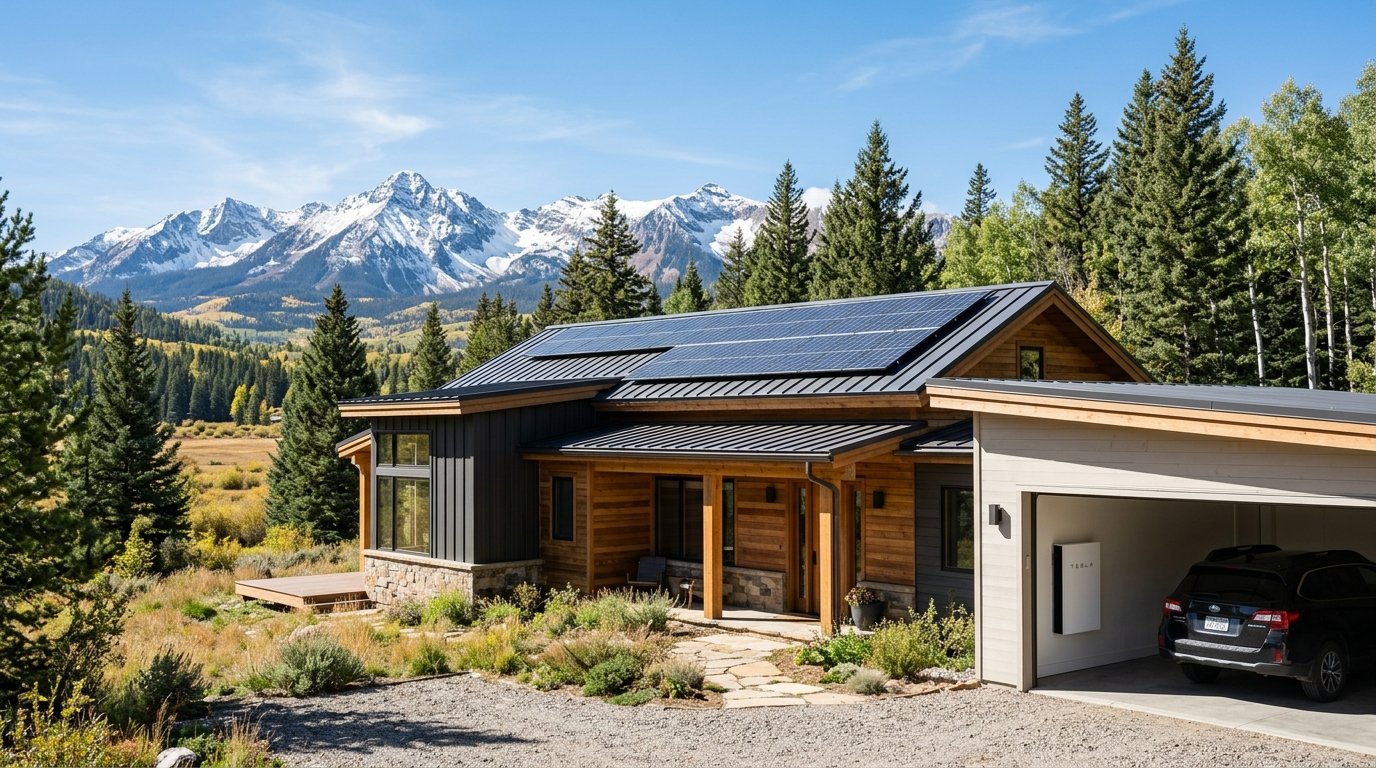
If you are a Gunnison County Electric member, you have access to one of the more generous battery incentives on the Western Slope. Gunnison County Electric solar customers who pair a system with qualifying storage can earn a battery rebate of up to $2,000 per unit, and that rebate sits alongside net metering for the solar itself. Co-op battery rebates like this are rare in Colorado, which means high value and, for now, low competition. This guide walks through how the GCEA battery rebate works, how net metering and the new peak demand charge fit together, and what it all means for homes in Crested Butte, Gunnison, and the surrounding valley.
How the GCEA battery rebate works
Gunnison County Electric Association ties its battery rebate to two things: whether your storage unit is dispatchable, and whether you are on a time of use rate. Here is the structure GCEA publishes:
- $1,000 per unit for a non-dispatchable battery on a time of use rate.
- $2,000 per unit for a dispatchable battery on a time of use rate, provided the unit has a minimum usable capacity of 8 kWh and is rated for the elevation it will operate at.
A dispatchable battery is one the co-op can call on to discharge during high demand periods, which is why GCEA pays more for it. The non-dispatchable option still earns a meaningful rebate, but if your equipment supports utility coordination, the dispatchable path roughly doubles your incentive. Because the rebate is per unit, larger storage projects that use multiple qualifying units can stack the benefit.
The elevation rating matters more here than in most of Colorado. The Gunnison Valley sits high and cold, and not every battery is rated to perform at altitude in winter temperatures. Choosing equipment that is genuinely rated for your site protects both your rebate eligibility and your real world performance. Our home battery storage guide covers usable capacity, chemistry, and cold weather behavior in more detail.
Net metering and the $250 application fee
The solar half of your project runs on GCEA net metering. When your panels produce more than your home uses, the extra energy flows to the grid and offsets what you pull back later. GCEA charges a $250 net metering application fee to set this up, so build that one time cost into your project budget from the start.
Net metering is what makes the economics of Gunnison County Electric solar work for most homes. You size the array to cover your annual usage, then lean on the grid as a virtual battery for day to night and season to season balancing. The physical battery you add on top is mostly about backup power and, increasingly, about managing the new demand charge described below. If you want to see how a neighboring co-op handles the same balance, our breakdown of DMEA solar net metering is a useful comparison point for Western Slope members.
The new residential peak demand charge
GCEA is introducing a residential peak demand charge beginning January 1, 2026. A demand charge is different from the per kWh energy charge most people are used to. Instead of billing only for how much energy you use over the month, a demand charge bills for your highest short interval of power draw, your peak. This figure should be treated as approximate, and you should confirm the current rate and structure directly with Gunnison County Electric before making decisions, because utility rate details change and the exact numbers should come from the co-op.
Why this matters for storage: a dispatchable battery can shave your peaks. If your home spikes when an EV charger, electric heat, and an oven all run at once, a battery can supply part of that surge from stored energy instead of pulling it all from the grid in one expensive instant. That is the same logic behind battery time of use arbitrage, where storage is charged when power is cheap and discharged when it is expensive or when demand peaks. Under a demand charge, a well configured battery is not just backup, it is a bill management tool.
What to look for in a peak shaving setup
- A battery and inverter that can discharge fast enough to cover real household surges, not just slow trickle support.
- Smart controls or a home energy manager that watches your load and discharges at the right moments.
- Enough usable capacity to ride through the daily peak window, which often falls in the early evening.
- Dispatchable capability so you also capture the higher $2,000 GCEA rebate tier.
Putting the full incentive picture together
For a typical Gunnison County Electric member adding solar plus a qualifying dispatchable battery on a time of use rate, the moving pieces look like this:
- Solar offsets your energy use through net metering, with a one time $250 application fee.
- A dispatchable battery of at least 8 kWh usable, rated for elevation, earns up to $2,000 per unit from GCEA.
- That same battery helps you manage the residential peak demand charge that begins January 1, 2026.
We always recommend confirming the live rebate amounts, rate schedules, and the demand charge details with GCEA directly, since co-op programs are updated periodically. As a Colorado licensed electrical contractor working across the Front Range and the Western Slope, ProGreen Solar designs systems that meet both code and the specific equipment requirements a rebate like this depends on.
Backup power for valley winters
Beyond rebates and demand charges, a home battery earns its place in the Gunnison Valley simply by keeping the lights on. Mountain grids see weather related outages, and a stretch without power in January is more than an inconvenience. A battery sized for your essential loads can carry your furnace fan, well pump, refrigerator, and key circuits through an outage without the noise, fuel runs, and cold start hassles of a generator.
How long a battery lasts in an outage depends on three things: its usable capacity, what loads you ask it to run, and whether your solar can recharge it during daylight. Pairing storage with solar means that even in a multi day outage, your panels top the battery back up each clear day, which is a meaningful advantage in a place that gets plenty of high altitude sun. When you design the system, decide early whether you want whole home backup or a smaller essential loads panel, because that choice drives both the battery size and the install scope.
What counts as a qualifying battery
To capture the top GCEA rebate tier, your storage needs to check several boxes at once:
- Dispatchable, so the co-op can coordinate discharge during peak periods.
- At least 8 kWh of usable capacity, not just nameplate capacity.
- Rated for the elevation and cold of your specific site.
- On a time of use rate, which is the rate structure the rebate is tied to.
Because these requirements interact, the equipment selection and the rate enrollment should be planned together rather than chosen separately. A battery that is technically large enough but not dispatchable, or not enrolled on the correct rate, can miss the higher rebate tier entirely. This is exactly the kind of detail a Colorado licensed electrical contractor confirms before ordering equipment.
Solar at altitude in the Gunnison Valley
High elevation is a genuine advantage for solar production, but it also brings cold, snow load, and equipment ratings that flatland installs never have to think about. Mounting, wiring, and battery placement all need to account for deep winters. Our guide to mountain home solar in Colorado goes deeper on snow, roof considerations, and designing for performance in alpine conditions, all of which apply directly to homes around Crested Butte and Gunnison.
Done right, a Gunnison County Electric solar and battery project can capture a rare co-op rebate, lock in net metering, and position your home for the new demand charge in one coordinated install. If you are ready to map out what this looks like for your address, see our residential solar services and reach out for a site specific plan and current rebate confirmation.
Frequently Asked Questions
How much is the GCEA battery rebate?
Gunnison County Electric offers $1,000 per unit for a non-dispatchable battery on a time of use rate and $2,000 per unit for a dispatchable battery on a time of use rate. The dispatchable tier requires a minimum usable capacity of 8 kWh and a unit rated for the elevation. Confirm current amounts with GCEA.
What does dispatchable mean for the battery rebate?
A dispatchable battery is one the co-op can call on to discharge during high demand periods. Because it helps GCEA manage the grid, dispatchable units qualify for the higher $2,000 per unit rebate, while non-dispatchable units qualify for $1,000 per unit.
Is there a fee to connect solar to Gunnison County Electric?
Yes. GCEA charges a $250 net metering application fee to set up your solar interconnection. It is a one time cost that you should include in your project budget.
What is the new GCEA peak demand charge?
GCEA is introducing a residential peak demand charge beginning January 1, 2026. A demand charge bills based on your highest short interval of power draw rather than only total energy used. The exact rate and structure should be confirmed directly with GCEA, as the details can change.
Can a battery help with the demand charge?
Yes. A battery can supply part of your home's peak power surge from stored energy instead of pulling it all from the grid at once, which lowers your measured peak. A dispatchable, well sized battery with smart controls is the most effective setup for managing a demand charge.
Does my battery need to be rated for elevation?
For the dispatchable rebate tier, GCEA requires the unit to be rated for the elevation where it operates. The Gunnison Valley is high and cold, so choosing equipment rated for altitude and winter temperatures protects both your rebate eligibility and real world performance.
Disclaimer: Utility program details (incentives, caps, fees, and rates) change frequently by board or commission action. Verify current details directly with your utility before making decisions. Accurate as of June 24, 2026.
Ready to Go Solar?
Get a free personalized quote from ProGreen Solar, Colorado's most trusted installer.
Get a Free Quote