


Detach and Reset: Removing and Reinstalling Solar for a Roof Replacement
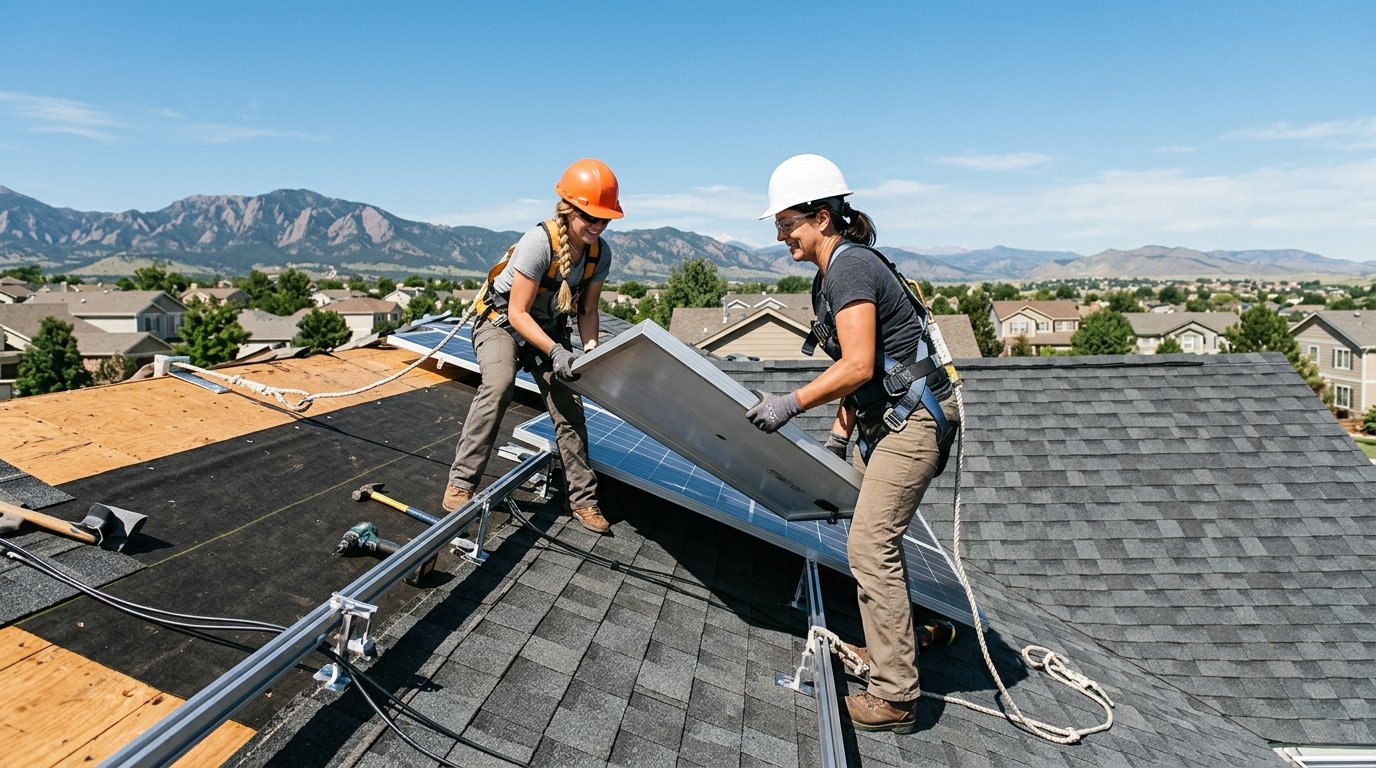
A solar detach and reset, often shortened to D and R, is the process of temporarily removing the solar panels from your roof so the roofing material underneath can be replaced, then reinstalling those same panels once the new roof is on. If your shingles are failing but your array is still healthy, a solar detach and reset is usually the right answer: you protect the panels you already paid for, get a sound roof beneath them, and avoid scrapping a perfectly good solar system. This guide walks through how it works, what drives the cost, how long it takes, who should do the work, and how to keep your warranties intact.
What a solar detach and reset actually involves
A detach and reset is more than just unbolting panels. A proper job breaks down into clear phases, and each one matters for the safety of your home and the long-term performance of the system.
- Electrical shutdown and disconnect. The system is powered down at the inverter and the AC disconnect, then the array is electrically de-energized so panels can be handled safely.
- Panel removal. Modules are unclamped from the racking and carried down, then labeled and stored so each one returns to a sensible position and the wiring maps back together.
- Racking and penetration removal. The rails, mounts, and roof attachments come off so the roofers have a clean, unobstructed deck to work on.
- Roof replacement. The roofing crew tears off the old material and installs the new roof, ideally flashing in fresh mounts or planning attachment points as they go.
- Reset and recommission. Racking is reinstalled and flashed, panels go back up, wiring is reconnected, and the system is tested and turned back on. A good installer confirms the array is producing the way it should before calling the job done.
That last step is the one homeowners forget about. Reinstalling solar is not just mounting hardware in reverse. The system has to be re-energized, monitored, and verified, which is why this work belongs with people who understand both the roof and the electrical side.
What drives the cost of a solar detach and reset
There is no single flat price, because a detach and reset is priced on the labor and conditions of your specific system. We will not quote a dollar figure here, since the right number depends on the variables below. Ask your installer for a written, itemized estimate, and make sure it covers both the removal and the reinstallation.
- Number of panels. More modules mean more handling, labeling, and remounting time, so the count is the biggest lever on labor.
- System type and complexity. Microinverter systems, optimizers, and multiple roof planes add reconnection work compared with a single simple array.
- Roof pitch, height, and access. Steep or two-story roofs slow the crew and require more fall protection.
- Racking condition. Older or proprietary racking may need new mounts or replacement parts, especially if hardware is corroded.
- Storage and lead time. Panels have to be stored safely between removal and reset, and a longer roofing job means a longer gap.
- Permitting and reconnection. Depending on your jurisdiction, the reset may require an electrical permit and inspection before the utility allows reconnection.
One cost worth flagging early: if your roof is genuinely at the end of its life, doing the roof and solar work in a coordinated single project is almost always cheaper than paying for a detach and reset as a standalone event later. We cover that comparison in our guide to roof replacement and solar.
How long does a detach and reset take?
For a typical residential system, plan on the solar removal taking part of a day, the roof replacement following the roofer's normal schedule, and the reset taking another part of a day once the new roof is finished and cured. The total calendar time is usually driven by the roofing work and by inspection scheduling, not by the panels themselves.
Two timing factors catch people off guard. First, the panels are off your roof and stored for the duration, so the system is offline and not producing during the project. Second, many Colorado jurisdictions require an inspection on the reset before the system can be reconnected, which can add days depending on the local building department. Building that inspection window into the plan keeps the project from stalling at the finish line.
Who should do the work?
This is where homeowners run into the most friction. A detach and reset sits at the seam between two trades. The roofers want a clear deck and are not responsible for your solar; the solar company handles the panels but does not replace roofs. When those are two separate companies, you are the one stuck coordinating schedules, and worse, you can end up in a finger-pointing situation if a leak or a production problem shows up afterward.
The cleaner path is a single accountable vendor who can do both the roofing and the solar. ProGreen Solar serves the Front Range and the Western Slope, and our sister company, GreenPoint Roofing, handles the roof side of the project. That means one team plans the sequencing, one team owns the roof penetrations and flashing, and one team is accountable for the array producing correctly when the work is done. For homeowners juggling a re-roof with solar already on the roof, that single-vendor coordination removes the biggest headache of the whole job.
If you do hire separate companies, confirm in writing which one is responsible for the mounts and flashing, and which one warranties the roof penetrations. That single clause prevents most detach and reset disputes.
Protecting your warranties
A careless detach and reset can void coverage you paid good money for. There are usually several overlapping warranties in play, and you want all of them honored after the panels go back up.
- Panel and inverter warranties. Mishandling during removal or reinstallation can damage equipment and complicate manufacturer claims, so handling should follow the manufacturer's guidance.
- Workmanship warranty. The original installer's labor warranty may have terms about who is allowed to touch the array. Check before letting a third party remove panels.
- Roof warranty. New roofing carries its own warranty, and improper solar penetrations can undermine it. This is exactly why having the roofing and solar penetrations handled by coordinated crews matters.
Ask your provider how the reset is documented and whether the system is re-tested and re-commissioned afterward. A reputable installer will confirm production numbers and hand you proof that the array is back to full output.
When a detach and reset is the wrong move
Sometimes the smarter decision is not to reset the old array at all. If your panels are very old, underperforming, or near the end of their service life, paying to remove and reinstall aging equipment can be money poorly spent. Modern panels are more efficient, and a new array on a new roof may pencil out better than resetting a tired system. Our overview of solar panel lifespan can help you gauge where your system stands.
If you are planning solar for the first time and your roof is aging, the cleanest route is to replace the roof first or do both together, which avoids a detach and reset down the line entirely. Our guide on preparing your roof for solar walks through how to evaluate that. And because the reset may trigger local permitting, it helps to understand Colorado solar permitting by county before you schedule.
The bottom line for Colorado homeowners
A solar detach and reset is a normal, manageable part of owning solar when the roof underneath wears out before the panels do. The keys to a smooth project are a single accountable team, a clear plan for sequencing the roof and solar work, careful handling that preserves your warranties, and a verified recommissioning at the end. With ProGreen Solar and GreenPoint Roofing working together, you get the roof and the reset handled under one roof, so to speak, with one point of accountability. If you have solar today and a roof that is showing its age, reach out through our residential solar page and we will help you plan the most cost-effective path forward.
Frequently Asked Questions
What is a solar detach and reset?
It is the process of temporarily removing solar panels and their racking from a roof so the roofing material underneath can be replaced, then reinstalling the same panels and recommissioning the system once the new roof is in place.
Will my solar system produce power during the roof replacement?
No. The panels are removed and stored for the duration of the project, so the system is offline and not generating electricity until it is reinstalled, reconnected, and turned back on after the new roof is finished.
How long does a detach and reset take?
The solar removal usually takes part of a day, the roof replacement follows the roofer's normal schedule, and the reset takes another part of a day. Total time is driven mostly by the roofing work and by any required inspection before the system can be reconnected.
Can the same company do both my roof and my solar?
Yes. Using a single accountable vendor avoids coordination headaches and finger-pointing. ProGreen Solar and its sister company GreenPoint Roofing handle the roof and the solar reset together, so one team owns the penetrations, the flashing, and the system performance.
Will a detach and reset void my warranties?
It should not if it is done correctly. Panels and inverters must be handled per manufacturer guidance, the original installer's workmanship terms should be checked, and the new roof penetrations must be flashed properly. Confirm in writing who warranties the mounts and penetrations before work begins.
Is it ever better to replace the panels instead of resetting them?
Yes. If your panels are very old, underperforming, or near the end of their service life, paying to remove and reinstall aging equipment may not be worth it. In some cases a new array on the new roof is the better investment.
Ready to Go Solar?
Get a free personalized quote from ProGreen Solar, Colorado's most trusted installer.
Get a Free Quote