


Roof Replacement + Solar in One Project: Why Coordinating Saves Money
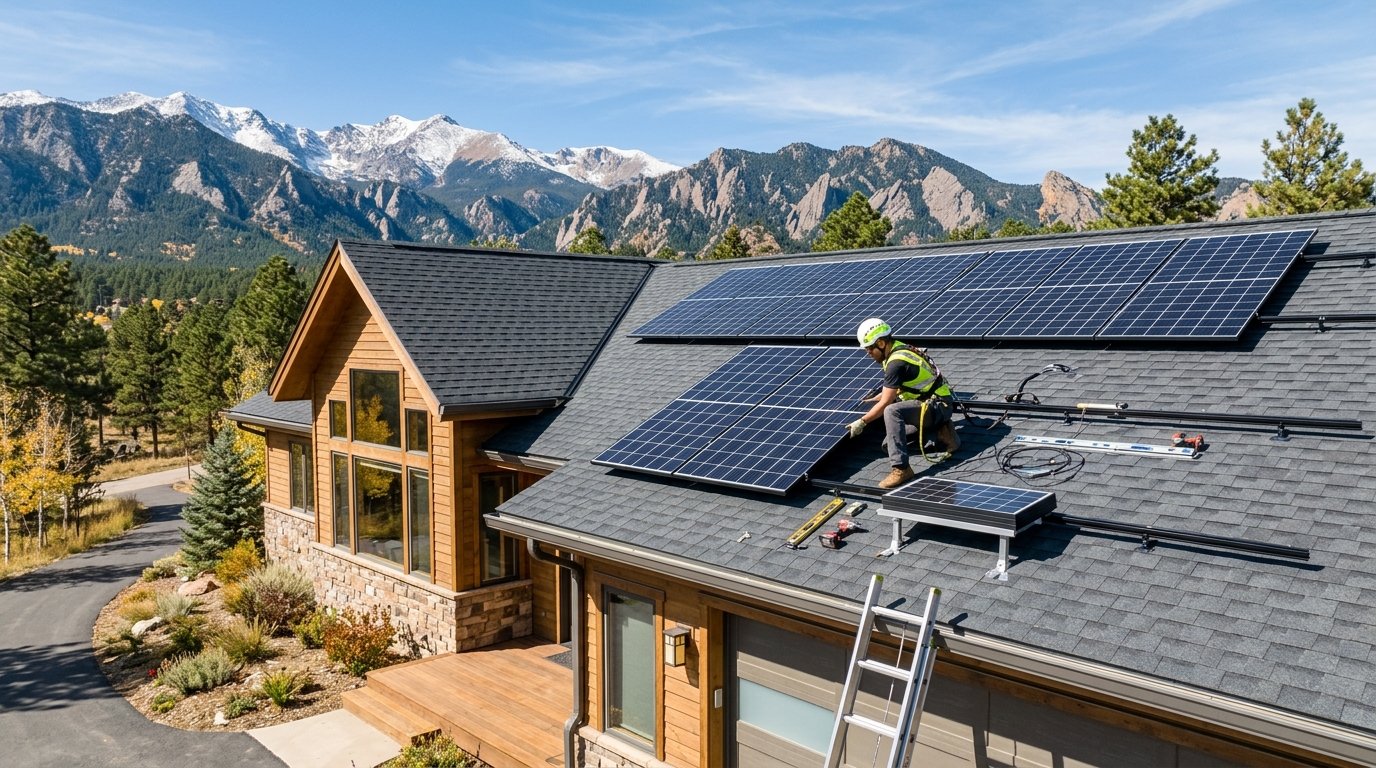
If your roof is near the end of its life, the smart move is to handle roof replacement and solar as one coordinated project rather than two separate jobs years apart. Putting panels on a roof that only has a few years left almost guarantees a second, avoidable expense down the road: paying a crew to remove the array, replace the roof underneath, and reinstall everything. Sequencing the new roof and the solar install together, ideally through a single team, saves money, protects your warranties, and gets the timing right the first time.
This guide covers how to compare roof lifespan against panel lifespan, when to replace the roof before going solar, how to sequence the work, and why a single contractor handling both the roofing and the solar makes the whole project cleaner.
Why roof replacement and solar belong in the same conversation
Solar panels are built to last for decades. A modern array is engineered to keep producing for 25 years or more, and good equipment often runs well beyond that. Asphalt shingle roofs, the most common roof in Colorado, generally last around 20 to 30 years depending on the product, the install quality, and how hard our weather has been on them. Hail, intense high altitude sun, wind, and big temperature swings all age a roof faster here than in milder climates.
The problem is the mismatch in timing. If you mount a 25 year solar array on a roof that has only 5 years of life left, the roof will need to be replaced long before the panels are done working. When that day comes, the panels have to come off so the roofers can do their job, then go back on afterward. That removal and reinstallation, known in the trade as a detach and reset, is real labor and real cost that you could have skipped entirely by replacing the roof first.
So the honest question before any solar project is not just whether your roof can hold panels today. It is whether your roof will outlast, or at least keep pace with, the system you are about to install. For a deeper look at what makes a roof ready for an array, see our guide on preparing your roof for solar.
How to compare roof lifespan against panel lifespan
Start by getting an honest read on your roof's remaining life. A few things to weigh:
- Age of the roof. If you know when it was installed, compare that against the expected lifespan of the material. An asphalt roof past 15 to 20 years deserves a hard look before you add solar.
- Visible wear. Curling or missing shingles, granules collecting in gutters, soft or sagging spots, and prior hail damage all signal a roof that is closer to the end than the beginning.
- Recent storm history. Colorado hail can shorten a roof's life dramatically. A roof that took a heavy hit may be due for replacement sooner than its age alone suggests.
- Material type. Asphalt shingles, metal, tile, and other materials have very different lifespans. Metal in particular can outlast a solar array, which changes the math.
Then set that against the panels. Because a quality system is designed to produce for 25 years and beyond, the panels are almost always the longer lived component on an asphalt roof. Our article on how long solar panels last walks through what to expect from the equipment over its life. The practical rule is straightforward: if your roof will not comfortably outlast the array, replace it before or during the solar install.
When to replace the roof before going solar
Replacing the roof first makes sense in a clear set of situations:
- The roof is within about 5 to 7 years of the end of its expected life.
- There is existing damage, leaks, or storm impact that needs to be addressed anyway.
- An inspection turns up structural or decking issues that solar racking would only complicate later.
- You are already planning a re-roof and solar is on your radar for the near future.
If your roof is genuinely in good shape with many years left, you may not need to touch it at all. There is no reason to replace a healthy roof just because you are adding panels. The goal is not a new roof for its own sake. It is matching the roof's remaining life to the life of the system going on top of it, so you only do each job once.
The cost of getting the sequence wrong
Skip the roof and put solar on an aging surface, and you set up a future bill. When the roof finally fails, you pay to take the array down, store and protect it, re-roof, then remount and recommission everything. That is the detach and reset scenario, and it is entirely avoidable with a little planning. Our guide to solar detach and reset explains exactly what that process involves and what it costs, which is the best argument for getting the order right the first time.
How to sequence a combined roof and solar project
When the roof needs replacing, the cleanest path is to do the roof first and the solar right after, as one continuous project. A typical sequence looks like this:
- Assessment. Both the roof and the proposed solar design are evaluated together. The roofing condition, the structure, the layout of the array, and your electrical needs are all reviewed up front.
- Roof replacement. The old roof comes off and the new one goes on, with the solar layout already known so penetrations, flashing, and attachment points can be planned for.
- Solar installation. The array is mounted on the fresh roof, wired, and connected. Because the roof is brand new, the mounts go into sound decking and the flashing is done right the first time.
- Inspection and activation. Permitting, inspection, and utility interconnection wrap up the project.
Done this way, the panels never have to come off, the roof penetrations are integrated cleanly into a new surface, and you have one warranty timeline to track instead of two jobs colliding years later.
The single-contractor advantage
The biggest reason combined projects go smoothly is having one team own both the roof and the solar. When roofing and solar are split between two unrelated companies, you run into the usual finger pointing: if a leak shows up near a mount, the roofer blames the solar crew and the solar crew blames the roofer, and you are stuck in the middle.
ProGreen Solar handles this through our sister company, GreenPoint Roofing. That means a homeowner on the Front Range or Western Slope can get the new roof and the solar array from coordinated teams under one roof, with one point of contact and one schedule. The roofing crew knows where the solar mounts are going, the solar crew knows the roof was built to carry the array, and responsibility for the whole solar-ready roof sits in one place. As a licensed Colorado contractor, we plan both halves so the flashing, the attachments, and the warranties all line up.
That coordination is the practical payoff of treating roofing and solar as a combined project. You avoid the second mobilization, you avoid the detach and reset, and you avoid the blame game if anything ever needs a second look.
Getting started
If your roof is aging and you are thinking about solar, the worst outcome is putting panels on a roof that is about to fail. The best outcome is replacing the roof and adding solar in one coordinated project so both are done right and done once. Take an honest look at your roof's age and condition, weigh it against the long life of the panels, and plan the sequence before any equipment goes up.
To talk through whether your roof should be replaced before solar, and to get both the roofing and the array handled by one coordinated team, visit our residential solar page and reach out. We will assess the roof and the solar design together and give you a straight answer on the right path for your home.
Frequently Asked Questions
Should I replace my roof before installing solar?
If your roof is within about 5 to 7 years of the end of its life, has storm or hail damage, or shows clear wear, replace it before or during the solar install. Solar panels last 25 years or more, so mounting them on an aging roof usually means paying to remove and reinstall the array later. If your roof is genuinely in good shape with many years left, you may not need to replace it at all.
How long does an asphalt roof last compared to solar panels?
Asphalt shingle roofs in Colorado generally last around 20 to 30 years depending on the product, install quality, and weather exposure, while quality solar panels are designed to produce for 25 years and often longer. On most asphalt roofs the panels are the longer lived component, which is why matching roof life to panel life matters.
What is a detach and reset?
A detach and reset is the process of temporarily removing a solar array so a roof can be replaced underneath, then reinstalling the panels afterward. It involves real labor and cost, and it is the expense you avoid by replacing an aging roof before or at the same time as the solar install.
Can the same company do both my roof and my solar?
Yes. ProGreen Solar handles roofing through its sister company, GreenPoint Roofing, so a single coordinated team can replace the roof and install the solar with one point of contact and one schedule. That avoids the finger pointing that can happen when two unrelated companies share responsibility for a solar-ready roof.
Does hail in Colorado affect when I should re-roof for solar?
It can. Colorado hail and intense high altitude sun age roofs faster than milder climates, and a heavy hail hit can shorten a roof's remaining life. If your roof took recent storm damage, factor that into the decision and have it assessed before adding panels.
Will I need a new roof if mine is metal?
Often no. Metal roofs typically last much longer than asphalt and can outlast a solar array, so a sound metal roof usually does not need replacement before solar. The right answer depends on the roof's age and condition, which is why a combined assessment of the roof and the solar design is the best starting point.
Ready to Go Solar?
Get a free personalized quote from ProGreen Solar, Colorado's most trusted installer.
Get a Free Quote