


Mountain Parks Electric Solar and Clean Power Program: Grants Up to $30,000
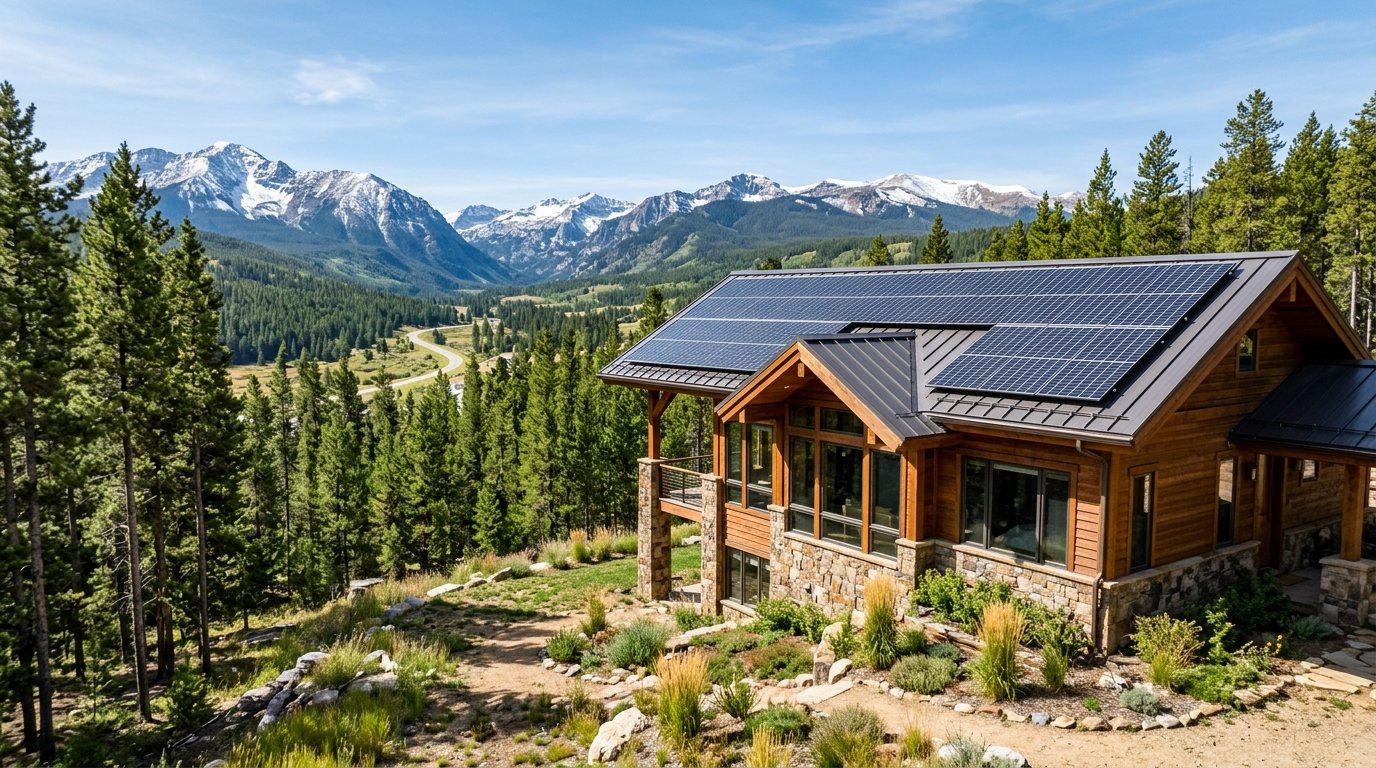
If you live in Grand or Jackson County and get your power from Mountain Parks Electric, going solar can pencil out well, and the cooperative gives you two tools most utilities do not. Mountain Parks Electric solar customers can net meter systems up to 25 kW, and the cooperative runs a Clean Power Program that maintains a grant pool reported at up to $30,000 to help fund local renewable projects. Paired with the federal landscape and Colorado state incentives, that combination makes a well designed system a sound long term investment for homes around Granby, Grand Lake, Kremmling, Fraser, and Walden.
Below we walk through how Mountain Parks Electric handles solar interconnection and net metering, what the Clean Power Program grant is and is not, what the 2026 rate change means for your payback, and how high altitude design choices protect your investment. As always with cooperative programs, confirm the current numbers directly with MPE before you sign anything, because co-op tariffs and grant balances change.
How Mountain Parks Electric Solar Net Metering Works
Mountain Parks Electric (MPE) is a member owned cooperative serving Grand County and Jackson County, including Granby, where the cooperative is headquartered. Because it is a co-op rather than a large investor owned utility, the rules are set locally by a board of directors, and that tends to keep residential solar interconnection straightforward.
For residential members, MPE allows net metered solar systems up to 25 kW. That is a generous cap by Colorado co-op standards. Several mountain cooperatives have tightened their residential limits to 10 kW in recent years, so the 25 kW ceiling at MPE leaves real headroom for all electric homes, electric vehicle charging, and heat pumps.
Net metering means the cooperative tracks the difference between what your panels send to the grid and what you pull from it. When your array produces more than you use during sunny mountain afternoons, the surplus credits your account and offsets the energy you draw at night or on stormy days. If net metering is a new concept, our overview of how net metering works explains the billing mechanics, the difference between retail credit and avoided cost true up, and why the details matter for your annual savings.
Sizing your system to the cap
The 25 kW limit is comfortably larger than most single family homes need. A typical Grand County household runs well under that, so the cap is rarely the constraint. It becomes relevant when you are electrifying everything at once: a heat pump, an induction range, and a fast EV charger can push annual usage high enough that a 12 to 18 kW system makes sense, and MPE leaves room for that. We always size a system to your actual and projected usage rather than simply filling the roof, so you are not paying for production the net metering rules will not fully credit.
The MPE Clean Power Program Grant
The piece that sets Mountain Parks Electric apart is the Clean Power Program. MPE maintains a grant pool, reported at up to $30,000, that supports renewable energy and clean power projects in the cooperative's service territory. This is a meaningful resource that most Colorado utilities simply do not offer to their members.
A few important caveats. Grant programs like this typically have eligibility rules, an application process, and a finite annual budget that can be committed before the year is out. The amount available, who qualifies, and what counts as an eligible project are set by the cooperative and can change. Treat the $30,000 figure as the program ceiling rather than a guaranteed payment to any one household, and confirm the current Clean Power Program terms, remaining balance, and application steps directly with Mountain Parks Electric before you build your project budget around it.
When the Clean Power Program does apply to your situation, it can meaningfully shorten payback. A good installer will help you understand where the grant fits alongside your other incentives so nothing is double counted or assumed.
The 2026 Rate Increase and What It Means for Payback
A 6.8% rate increase took effect at Mountain Parks Electric on January 1, 2026. Rising electricity rates are mixed news for members, but they cut in solar's favor. Every cent your panels offset is now worth more, and when the price of grid power climbs, the value of self generated solar climbs with it.
In practical terms, a rate increase shortens the simple payback period on a solar investment, because the system displaces electricity that costs more than it did a year ago. It also strengthens the case against waiting. The longer you stay on grid power that trends upward, the more you spend before your panels start working for you. If you have been weighing solar in MPE territory, the 2026 increase is a reason to run the numbers sooner rather than later. Verify the exact current residential rate schedule with MPE, since cooperatives adjust rates periodically and the figure that matters for your payback is today's rate, not last year's.
Designing Solar for High Altitude Grand County Homes
Solar performs exceptionally well at high elevation. Thinner air, intense sunlight, and cold operating temperatures all push panel output up, and Grand County sits firmly in that sweet spot. The flip side is that mountain installations have to be engineered for the environment they live in.
- Snow load. Racking and roof attachments in the Granby and Grand Lake area must be engineered for heavy snow. Proper tilt and rail spacing also help panels shed snow faster so they get back to producing sooner after a storm.
- Wind zones. Exposed ridgelines and open valleys demand attachment systems rated for local wind speeds, with the right number of attachment points and flashing details to keep the roof watertight.
- Roof type. Metal roofs are common at altitude and pair well with non penetrating or seam clamp mounts that protect the roof and simplify snow shedding.
- Battery backup. Mountain grids see weather related outages. Adding storage keeps essential circuits running when the line goes down, and it lets you hold solar energy for evening use.
These are exactly the design questions we cover in our guide to solar for mountain and high altitude homes, which digs into snow load racking, wind engineering, and off grid options for remote cabins and second homes. If you are also weighing whether storage is worth it in a co-op that rewards it, the neighboring Gunnison County Electric solar and battery guide shows how some Western Slope cooperatives structure battery incentives, which is useful context as MPE members plan ahead.
ProGreen Solar works across Colorado's Front Range and Western Slope, and we design every mountain system around its site, its snow and wind exposure, and the local utility's specific rules. If you are a Mountain Parks Electric member ready to see what solar looks like for your home, learn more about our residential solar service and request a custom proposal. We will confirm the current MPE net metering terms and Clean Power Program details as part of your design, so your numbers reflect today's program, not last year's.
Frequently Asked Questions
What size solar system can I install on Mountain Parks Electric net metering?
Mountain Parks Electric allows residential net metered solar systems up to 25 kW. That is generous compared with many Colorado cooperatives and leaves room for all electric homes, EV charging, and heat pumps. Confirm the current cap with MPE before designing your system.
What is the MPE Clean Power Program?
The Clean Power Program is a grant pool maintained by Mountain Parks Electric, reported at up to $30,000, that supports renewable and clean energy projects in the cooperative's territory. Eligibility, the application process, and the remaining balance are set by MPE and can change, so confirm current terms with the cooperative.
Does the 2026 rate increase make solar more or less worthwhile?
A 6.8% rate increase took effect at Mountain Parks Electric on January 1, 2026. Higher electricity rates generally make solar more worthwhile because each kilowatt hour your panels offset is now worth more, which shortens the payback period. Verify the current rate schedule with MPE for your own numbers.
Does solar work well at high altitude in Grand County?
Yes. High elevation brings thinner air, intense sunlight, and cold operating temperatures, all of which boost panel output. The key is engineering the system for heavy snow load and local wind zones, and choosing mounts suited to metal roofs, which are common in the mountains.
Should I add a battery to my Mountain Parks Electric solar system?
A battery is worth considering in MPE territory because mountain grids see weather related outages. Storage keeps essential circuits running during an outage and lets you save solar energy for evening use. Whether it pays off depends on your usage, backup needs, and budget, which we evaluate during system design.
Which towns does Mountain Parks Electric serve?
Mountain Parks Electric is a member owned cooperative serving Grand County and Jackson County in north central Colorado, including Granby, Grand Lake, Kremmling, Fraser, and Walden. The cooperative is headquartered in Granby.
Disclaimer: Utility program details (incentives, caps, fees, and rates) change frequently by board or commission action. Verify current details directly with your utility before making decisions. Accurate as of June 24, 2026.
Ready to Go Solar?
Get a free personalized quote from ProGreen Solar, Colorado's most trusted installer.
Get a Free Quote