


Xcel Renewable Battery Connect 2026: $350/kW Battery Incentive Guide
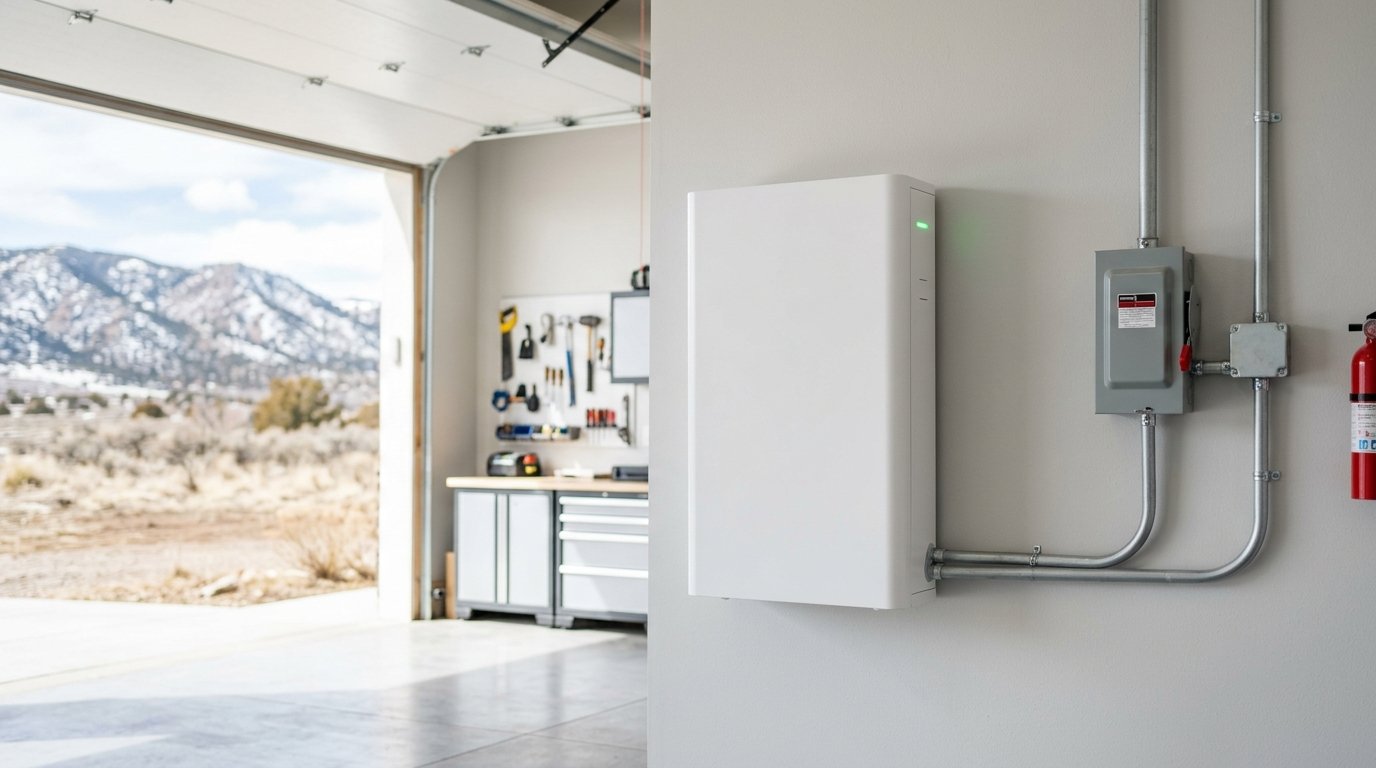
If you own a home battery in Xcel Energy territory, the Xcel Renewable Battery Connect program can pay you to let the utility lean on that battery during peak demand. As of 2026, the program offers an upfront incentive of $350 per kW AC of your battery's maximum continuous discharge power, up to $5,000 per application, plus a small annual payment for five years. In plainer terms, Xcel pays you once when you sign up and a little more each year for sharing your stored energy when the grid needs it most. This guide walks Colorado homeowners through how the Xcel Renewable Battery Connect incentive works, who qualifies, and what to watch for before you enroll.
ProGreen Solar designs and installs battery systems across the Front Range and Western Slope, and we enroll customers in utility battery programs as part of the install. Below is the straight version, with the numbers you actually need.
What Xcel Renewable Battery Connect pays in 2026
Renewable Battery Connect is a battery demand-response program, sometimes called a virtual power plant. You keep your battery and use it normally for backup and self-supply. In exchange for letting Xcel dispatch it during a limited number of peak events, you receive financial incentives. Here is what the program pays, per the Xcel and Enphase program terms:
- Upfront incentive: $350 per kW AC of maximum continuous discharge power, capped at $5,000 per application.
- Annual payment: $100 per year for five years for staying enrolled and participating.
- Income-qualified rate: Customers who are income-qualified or in a disproportionately impacted community receive $800 per kW, up to 75 percent of the battery equipment cost.
The upfront number is tied to discharge power, not storage capacity. A battery rated for 7.6 kW of continuous AC output would calculate to roughly $2,660 at the standard $350 per kW rate, while a larger or stacked system can reach the $5,000 cap. Because the math hinges on your specific equipment's nameplate discharge rating, confirm the exact figure for your hardware before you count on a number.
Standard rate versus income-qualified rate
The income-qualified path is meaningfully richer. At $800 per kW and up to 75 percent of equipment cost, it can cover a large share of the battery itself for eligible households. If you think you may qualify based on income or your location in a disproportionately impacted community, ask about it before you sign anything, because the enrollment path and documentation differ.
The 2026 funding window and why timing matters
Renewable Battery Connect runs on a budget, and that budget can run out. The program closed on February 20, 2026 after the prior budget was exhausted, then reopened on May 21, 2026 with renewed funding. That stop-and-start pattern is the single most important thing to understand about this incentive: enrollment is first come, first served against a finite pool, and a program that is open today can pause again with little notice.
Because these dates and the current budget status change, treat any open or closed status you read here as a snapshot. Always confirm the live program status, the current per-kW rate, and remaining funding directly with Xcel Energy or your installer before you make a purchase decision based on the incentive. We check program status for every customer at the time of design so the numbers in your proposal reflect what is actually available that week.
Which batteries and customers qualify
Renewable Battery Connect is built around approved, grid-interactive battery systems that Xcel can dispatch. In practice that means a battery from an enrolled manufacturer, professionally installed and commissioned, with the monitoring and controls the program requires. Tesla Powerwall and Enphase systems are the most common qualifying products we install, and you can read our hands-on take in our Tesla Powerwall review and our broader home battery storage guide.
General eligibility points to confirm for your situation:
- You are a residential Xcel Energy electric customer in Colorado.
- Your battery is an approved, program-eligible model installed by a qualified contractor.
- The system supports remote dispatch and ongoing monitoring so Xcel can call on it during events.
- You agree to the program's dispatch terms, including the number and length of events per year.
Your installer handles the enrollment paperwork and the technical setup that lets Xcel communicate with the battery. If a salesperson cannot explain how your specific battery model is enrolled and dispatched, that is a reason to slow down and ask more questions.
How dispatch affects your daily use
During a dispatch event, Xcel discharges a portion of your battery to support the grid, typically in the late-afternoon and evening peak. The program is designed to leave you with backup capability and to limit how often and how deeply it pulls from your battery, but the exact reserve and event rules are set by Xcel. Review those terms so you know what to expect on a hot summer evening when several events may cluster. If whole-home resilience during an outage is your top priority, talk through reserve settings with your installer before enrolling.
Stacking the battery incentive with solar value
Renewable Battery Connect is a battery program, not a solar program, so it stacks on top of the value you already get from your panels. Colorado's net metering rules govern how Xcel credits the energy your system exports, and you can see how that side works in our overview of Xcel Energy net metering. A battery also helps you self-consume more of your own solar in the evening when retail prices are highest, which improves the economics beyond the program payments alone.
If you want to understand how home batteries earn money across multiple Colorado utilities, not just Xcel, our guide to virtual power plants in Colorado compares Renewable Battery Connect with similar programs from Holy Cross Energy, United Power, and others. The short version: a well-chosen battery can pay you from the utility, lower your evening bills, and keep your lights on during an outage, all at once.
How to enroll, step by step
- Confirm program status. Verify with Xcel or your installer that Renewable Battery Connect is currently open and funded, and ask for the live per-kW rate.
- Choose an eligible battery. Select an approved model sized to your backup goals and your home's discharge needs, since the upfront payment scales with continuous discharge power.
- Check the income-qualified path. If you may qualify, pursue the $800 per kW rate before enrolling at the standard rate.
- Install and commission. A qualified contractor installs the battery, sets up monitoring, and submits the enrollment so Xcel can dispatch the system.
- Receive incentives. Collect the upfront payment after enrollment is approved, then the annual payments over five years for staying enrolled.
Most of this happens behind the scenes when battery storage is part of a solar project. If you are starting from scratch or adding storage to an existing array, you can compare options and get a sized proposal through our residential solar and storage services.
Is Renewable Battery Connect worth it?
For most Xcel customers who are buying a battery anyway, yes. The upfront $350 per kW plus five years of annual payments is found money on top of the backup and bill savings the battery already provides, and the income-qualified rate can cover a large portion of the equipment cost. The main caution is funding: the program has already paused once in 2026, so the incentive should be confirmed as available, not assumed. Size the battery for your real backup needs first, then layer the program payments on top, and you will make a decision that holds up whether or not the incentive is open the week you sign.
If you want a clear, no-pressure look at what a battery and the Renewable Battery Connect incentive would mean for your specific home and Xcel rate, reach out and we will run the numbers with the current program terms.
Frequently Asked Questions
How much does Xcel Renewable Battery Connect pay?
The standard incentive is $350 per kW AC of your battery's maximum continuous discharge power, up to $5,000 per application, plus $100 per year for five years. Income-qualified customers and those in disproportionately impacted communities receive $800 per kW, up to 75 percent of the battery equipment cost.
Is the Renewable Battery Connect program currently open?
The program closed on February 20, 2026 after its budget was exhausted and reopened on May 21, 2026 with renewed funding. Because funding runs in limited windows that can close again, you should confirm the live status and remaining budget directly with Xcel Energy or your installer before counting on the incentive.
Which batteries qualify for the program?
You need an approved, grid-interactive battery that Xcel can dispatch and monitor, professionally installed and commissioned. Common qualifying products include Tesla Powerwall and Enphase battery systems. Your installer handles enrollment and the technical setup that lets Xcel communicate with the battery.
Will Xcel drain my battery so I cannot use it for backup?
No. During a dispatch event Xcel discharges only a portion of your battery, and the program is designed to limit how often and how deeply it pulls from your system so you retain backup capability. Review the reserve and event rules with your installer if outage resilience is your top priority.
Can I combine Renewable Battery Connect with solar and net metering?
Yes. Renewable Battery Connect is a battery program, so it stacks on top of the solar value you already get through Xcel net metering. A battery also lets you use more of your own solar during the expensive evening peak, improving your overall economics beyond the program payments.
Who gets the higher income-qualified incentive?
Customers who are income-qualified or who live in a disproportionately impacted community can receive $800 per kW, up to 75 percent of the battery equipment cost, instead of the standard $350 per kW. If you think you may qualify, ask about the income-qualified path before enrolling at the standard rate, since the documentation and process differ.
Disclaimer: Utility program details (incentives, caps, fees, and rates) change frequently by board or commission action. Verify current details directly with your utility before making decisions. Accurate as of June 24, 2026.
Ready to Go Solar?
Get a free personalized quote from ProGreen Solar, Colorado's most trusted installer.
Get a Free Quote