


Solar For All in Colorado: $156M Award Now in Litigation
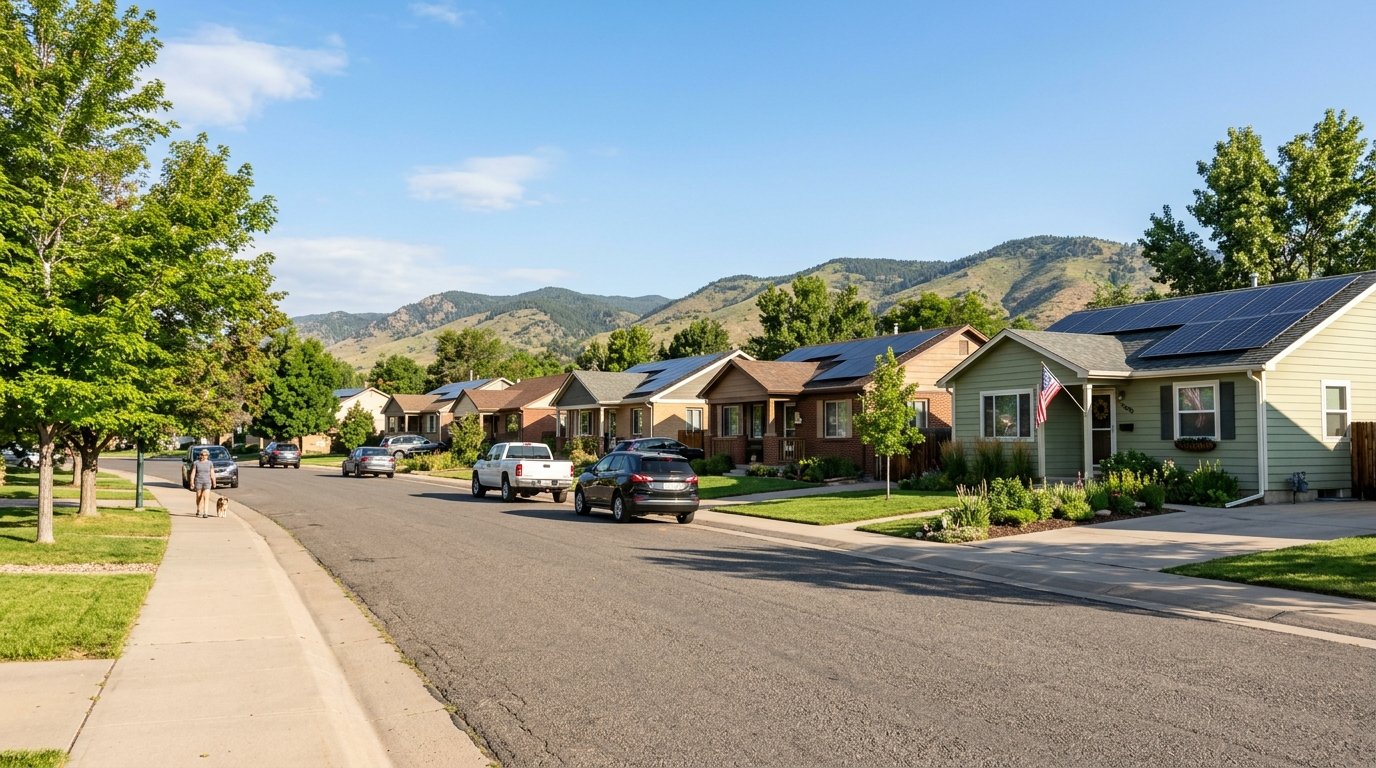
Solar For All Colorado was the state's plan to bring rooftop and community solar to lower income households that have long been priced out of clean energy. In April 2024 the U.S. Environmental Protection Agency awarded the Colorado Energy Office $156,120,000 to serve more than 20,000 Coloradans. That award, however, is now in serious doubt. In August 2025 the EPA moved to terminate the national Solar For All program, and the funding for Colorado is currently tied up in litigation. If you are an income qualified Colorado homeowner counting on this money, the honest answer right now is that you should not.
At ProGreen Solar we install across the Front Range and the Western Slope, and we field questions about Solar For All Colorado almost every week. This guide lays out exactly what was awarded, what changed, where the case stands, and the proven incentives you can actually rely on while the federal program plays out in court.
What Solar For All Colorado was supposed to do
Solar For All was a national EPA grant program funded through the Greenhouse Gas Reduction Fund. The idea was straightforward: send money to states, tribes, and nonprofits so that low income and disadvantaged households could access solar and cut their electric bills, even if they could not afford a system on their own.
Colorado's share was significant. The EPA award of $156,120,000 went to the Colorado Energy Office, which planned to use it to reach more than 20,000 Colorado households. The program was designed to focus on income-qualified solar for renters, manufactured-home residents, and homeowners in disproportionately impacted communities, the same households that most need bill relief and are least likely to already have panels on the roof.
The goals typically included measurable savings on energy bills, expanded community solar access, and workforce and consumer protections so that participants were not steered into bad deals. On paper, it was one of the largest pushes for low-income solar Colorado had ever seen.
What actually happened: termination and litigation
The plan ran into a wall. On August 7, 2025, the EPA terminated the roughly $7 billion national Solar For All program, which swept up Colorado's award along with every other state's. That termination is the reason no one should treat this money as available today.
Colorado did not accept the decision quietly. Colorado Attorney General Phil Weiser joined a multistate lawsuit, filed on October 16, 2025, seeking to recover the terminated funds. As of this writing the matter is unresolved and working its way through the courts.
Here is the part we want to be very clear about: the Solar For All Colorado funding is in litigation and its future is uncertain. A favorable ruling could restore some or all of the money. An unfavorable ruling, a settlement, or a further appeal could leave the program reduced or gone. No installer, including ProGreen, can promise you a Solar For All benefit while the case is pending. Be skeptical of any company that tells you otherwise.
What this means for your decision today
- Do not delay a clearly beneficial solar project on the hope that Solar For All money arrives. The timeline is out of anyone's control.
- Do not sign a contract that hinges on a Solar For All credit or rebate that has not been confirmed in writing by the program.
- Do keep your name on any interest list the Colorado Energy Office maintains, in case funding is restored.
- Do build your numbers around incentives that exist right now, then treat any future Solar For All benefit as a bonus.
Income-qualified solar options that are real right now
Even with Solar For All Colorado on hold, there are concrete programs that lower the cost of going solar for income-qualified and ordinary households alike. These are the tools we help our customers use today.
Utility income-qualified adders
Several Colorado utilities offer enhanced incentives for income-qualified customers and households in disproportionately impacted communities. Xcel Energy's residential rebate program, for example, has historically included an income-qualified adder, and several cooperatives and municipal utilities offer their own enhanced battery and solar incentives. Because budgets and rules change, we walk through your specific utility's current offerings during your quote. Our overview of Colorado solar incentives in 2026 is a good starting point for understanding what stacks together.
Community solar for renters and shaded roofs
If you rent, live in a multifamily building, or have a roof that simply cannot host panels, you are not out of luck. Colorado's new community solar program lets you subscribe to a share of a larger solar garden and receive credits on your bill, with extra capacity reserved for low-and-moderate-income subscribers. It is one of the most accessible paths to solar savings without owning equipment.
Low-interest financing
For homeowners who want to own a system but need to spread out the cost, the Colorado RENU Loan offers low-interest financing for solar and batteries through the Colorado Clean Energy Fund and partner credit unions. It is often a cleaner alternative to dealer-fee solar loans, with transparent terms and no hidden markups.
Zero-down structures
Many households assume solar requires a large upfront check. It often does not. There are several zero-down solar options, from loans to third-party ownership, that let you start saving from day one without writing a big check. The right structure depends on your tax situation, your roof, and your utility, which is exactly the kind of thing we sort out before you sign anything.
How ProGreen helps income-qualified Colorado households
We have been installing solar across Colorado for years, we hold an active Colorado electrical contractor license (EC.0101788), and we carry an A+ rating with the Better Business Bureau. That track record matters most for the households Solar For All was meant to serve, because those are the customers most often targeted by high-pressure, fee-heavy sales operations.
When you talk to us about low-income solar in Colorado, we do three things. First, we tell you the truth about Solar For All Colorado: it is in litigation and cannot be counted on today. Second, we build a proposal around incentives that are actually available, your utility's income-qualified programs, community solar, sales and property tax exemptions, and low-interest financing. Third, we size the system honestly for your real usage so the savings hold up over the 25-plus year life of the equipment.
If your roof or budget is not a fit for ownership, we will say so and point you toward community solar or financing instead of pushing a system that does not pencil out.
The bottom line on Solar For All Colorado
Solar For All Colorado represented a $156,120,000 commitment to put solar within reach of more than 20,000 households. That promise is now caught in a legal fight after the EPA terminated the program in August 2025 and Colorado joined a multistate suit to recover the funds. The money may come back, in whole or in part, or it may not. Until a court resolves it, treat Solar For All as uncertain.
The good news is that you do not have to wait on a lawsuit to lower your energy bills. Real incentives, community solar, and fair financing exist today. If you want a straight answer about what you actually qualify for, reach out through our residential solar page and we will give you an honest assessment, no pressure, no fictional rebates.
Frequently Asked Questions
Is Solar For All Colorado money available right now?
No. The EPA terminated the national Solar For All program on August 7, 2025, and Colorado's award is tied up in litigation. You should not count on this funding today. Build your solar plans around incentives that are confirmed and available.
How much was Colorado awarded under Solar For All?
In April 2024 the EPA awarded the Colorado Energy Office $156,120,000 to serve more than 20,000 Coloradans. That award is the subject of the current legal dispute and is not guaranteed to be paid out.
Why is the Solar For All funding in litigation?
After the EPA moved to terminate the roughly $7 billion national program in August 2025, Colorado Attorney General Phil Weiser joined a multistate lawsuit filed on October 16, 2025 to recover the funds. The case has not been resolved, so the outcome is uncertain.
What income-qualified solar help is actually available in Colorado now?
Several real options exist, including utility income-qualified rebate adders, the new Colorado community solar program for renters and shaded roofs, the low-interest Colorado RENU Loan, and zero-down financing structures. We help you stack the ones you qualify for.
Should I wait for Solar For All before going solar?
Generally no. The timeline depends on a court case nobody can control. If solar already makes financial sense for you with today's incentives, waiting only delays your savings. Treat any future Solar For All benefit as a possible bonus, not a plan.
Can ProGreen guarantee me a Solar For All rebate?
No, and you should be cautious of any company that claims it can. The program is terminated and in litigation. We build proposals on confirmed, available incentives and tell you honestly where Solar For All stands.
Ready to Go Solar?
Get a free personalized quote from ProGreen Solar, Colorado's most trusted installer.
Get a Free Quote