


Colorado Community Solar in 2026: The New Inclusive Community Solar Program (SB24-207)
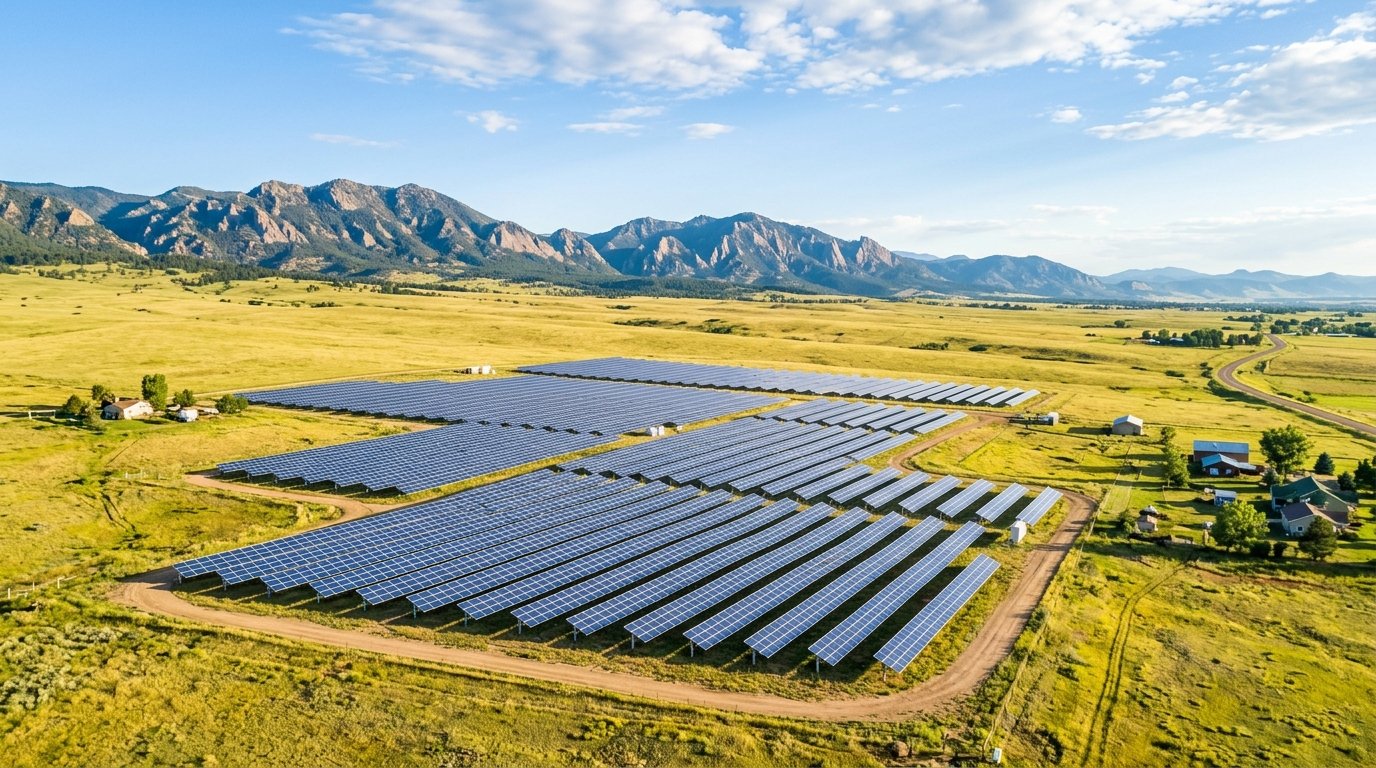
Colorado community solar in 2026 gives renters, condo owners, and anyone with a shaded or north-facing roof a way to go solar without putting a single panel on their own home. Under SB24-207, the state launched a new Inclusive Community Solar Program that took effect January 1, 2026. Instead of owning a system, you subscribe to a share of a larger solar garden built somewhere nearby, and the energy that share produces shows up as a credit on your regular utility bill. It is the most accessible path to solar savings the state has offered, and it was built specifically for the households that rooftop solar has always left out.
If you have ever wanted solar but could not host panels, this is the program worth understanding. Below we walk through what SB24-207 changed, how a subscription actually works on your bill, who qualifies, and how to decide whether community solar or rooftop solar is the better fit for your situation.
What the SB24-207 Inclusive Community Solar Program changed
Colorado has had community solar gardens for years, but the older model was capped and frequently sold out, which kept waitlists long and shut out the very people it was meant to serve. SB24-207 reset the program with several meaningful changes that started phasing in on January 1, 2026.
- A much larger annual build. The program authorizes roughly 50 megawatts per year of new community solar in Xcel Energy territory and about 3.5 megawatts in Black Hills Energy territory. That is a steady, ongoing pipeline of new gardens rather than a one-time allotment.
- Utilities can no longer own the gardens. Under the new rules, investor-owned utilities such as Xcel and Black Hills may no longer own these community solar facilities themselves. Independent developers and subscriber organizations build and operate them, which is meant to keep the program competitive and subscriber-focused.
- Consolidated billing. Your community solar credit and your utility charges appear together on a single, consolidated utility bill. You do not juggle a separate invoice from the garden operator and a separate bill from the utility.
- Built-in access for lower-income households. The program reserves capacity and offers better terms for income-qualified and disproportionately impacted subscribers, which is where the word inclusive in the program name comes from.
Because this is a brand-new program structure that began on January 1, 2026, exact garden availability and enrollment timing will vary by utility and by region as projects come online through the year. Confirm the current status and any open subscription windows directly with your utility or the garden operator before you sign anything.
How a community solar subscription works on your bill
Community solar is a subscription, not a purchase. You sign up for a portion of a specific solar garden, sized to your home, and you receive bill credits for the electricity your share generates each month. Here is the basic flow:
- You choose a garden and reserve a subscription share. There are no panels installed at your house and no construction on your property.
- The garden produces electricity that flows onto the grid. Your share of that production is tracked each month.
- Your utility applies a credit to your bill for your share of the generation, and you pay the garden operator a subscription rate for that power. The goal is for the credit to exceed what you pay, leaving you with net savings.
Because the credit is applied through your utility, this works hand in hand with the broader set of state and utility programs. If you want the full picture of what else is available to Colorado households, our guide to Colorado solar incentives in 2026 lays out the rebates, tax provisions, and utility programs that round out the savings landscape.
How big a subscription can you get
SB24-207 sets sizing limits so a subscription roughly matches what you actually use. In general:
- Standard subscribers can subscribe up to 120 percent of their average annual electricity usage. That headroom lets you cover your typical consumption with a little margin.
- Low-income and moderate-income subscribers can subscribe up to 200 percent of their usage, which allows a larger share and larger potential savings for the households that need it most.
Sizing your subscription correctly matters. Too small and you leave savings on the table; too large and you may pay for credits you cannot fully use. Pull twelve months of usage from your utility account before you enroll so you can match the subscription to your real load.
Who community solar is built for
The whole point of the inclusive program is to reach the households rooftop solar cannot serve. Community solar is an especially good fit if you are:
- A renter. You do not own your roof, so you cannot install panels, but you can still subscribe and save.
- A condo, townhome, or apartment resident. Shared roofs and HOA limits often make rooftop solar impractical or impossible.
- A homeowner with a bad solar roof. Heavy shade, a north-facing slope, an aging roof, or an undersized electrical service can all rule out rooftop panels. Community solar sidesteps every one of those problems.
- An income-qualified household. The reserved capacity and enhanced sizing make this one of the most affordable ways to access solar savings in Colorado.
For owners of apartment buildings and multi-tenant properties, community solar also pairs naturally with on-site systems and tenant savings strategies. If you own or manage rental property, our overview of solar for multi-family properties covers how building owners can layer these options.
Community solar versus rooftop solar
Community solar is a strong option, but it is not always the best one. Subscriptions deliver real savings without upfront cost, yet they do not build equity, do not raise your home value, and the savings rate is set by the garden contract rather than by owning the asset outright.
If you own your home and have a sound, sunny, structurally suitable roof, owning a rooftop system usually produces stronger lifetime economics. You capture the full value of the energy, you can add storage, and the system adds value to the property. Community solar shines when ownership is off the table for reasons of housing, roof condition, or budget.
If you are weighing the two and ownership might be within reach, financing can change the math. The Colorado RENU loan offers low-interest, longer-term financing for solar and batteries and is often a better deal than dealer-fee solar loans, which can make a rooftop system more affordable than homeowners expect.
How to get started with community solar in Colorado
Getting into the new program is straightforward, but a little homework protects you:
- Confirm which gardens are open to new subscribers in your utility territory, since availability is rolling out through 2026.
- Gather twelve months of electricity usage so you can size your subscription to your real load.
- Read the subscription contract closely. Look at the savings rate, any escalator, the term length, cancellation terms, and what happens if you move within the same utility territory.
- If you are income-qualified, ask specifically about the enhanced terms and the 200 percent sizing allowance.
As a Colorado solar company serving the Front Range and the Western Slope, ProGreen Solar helps homeowners and property owners figure out the right path, whether that is a community solar subscription, a rooftop system, or a combination across multiple buildings. If you want a straight answer about which option fits your home, your roof, and your utility, reach out to our team and we will walk you through it.
Frequently Asked Questions
Do I need to own my home to join community solar in Colorado?
No. The Inclusive Community Solar Program created by SB24-207 was designed specifically for renters, condo and apartment residents, and homeowners who cannot host rooftop panels. You subscribe to a share of an off-site solar garden, so no panels go on your property and no roof ownership is required.
How does community solar show up on my electric bill?
The 2026 program uses consolidated billing, which means your community solar credits and your normal utility charges appear together on a single bill from your utility. You receive a credit for your share of the garden's production and pay the subscription rate, with the goal that the credit exceeds what you pay.
How large of a subscription can I sign up for?
Standard subscribers can subscribe up to 120 percent of their average annual electricity usage. Low-income and moderate-income subscribers can subscribe up to 200 percent of their usage. Pull twelve months of usage from your utility account so your subscription matches your real load.
Which Colorado utilities offer the new community solar program?
SB24-207 authorizes about 50 megawatts per year of new community solar in Xcel Energy territory and about 3.5 megawatts per year in Black Hills Energy territory. Availability rolls out as gardens come online through 2026, so confirm current openings with your utility or the garden operator.
Is community solar or rooftop solar a better deal?
It depends on your situation. Rooftop ownership usually wins on lifetime economics if you own a home with a sound, sunny roof, because you capture full energy value, can add storage, and increase home value. Community solar is the better fit when you rent, have a poor solar roof, or want savings without upfront cost.
Did the new community solar program actually start in 2026?
The Inclusive Community Solar Program under SB24-207 took effect January 1, 2026, but garden availability and enrollment windows phase in over the year and vary by utility and region. Confirm the current rollout status and any open subscription windows directly with your utility or the garden operator before enrolling.
Ready to Go Solar?
Get a free personalized quote from ProGreen Solar, Colorado's most trusted installer.
Get a Free Quote