


San Isabel Electric Solar: 1:1 Net Metering Plus Battery and TOU Strategy
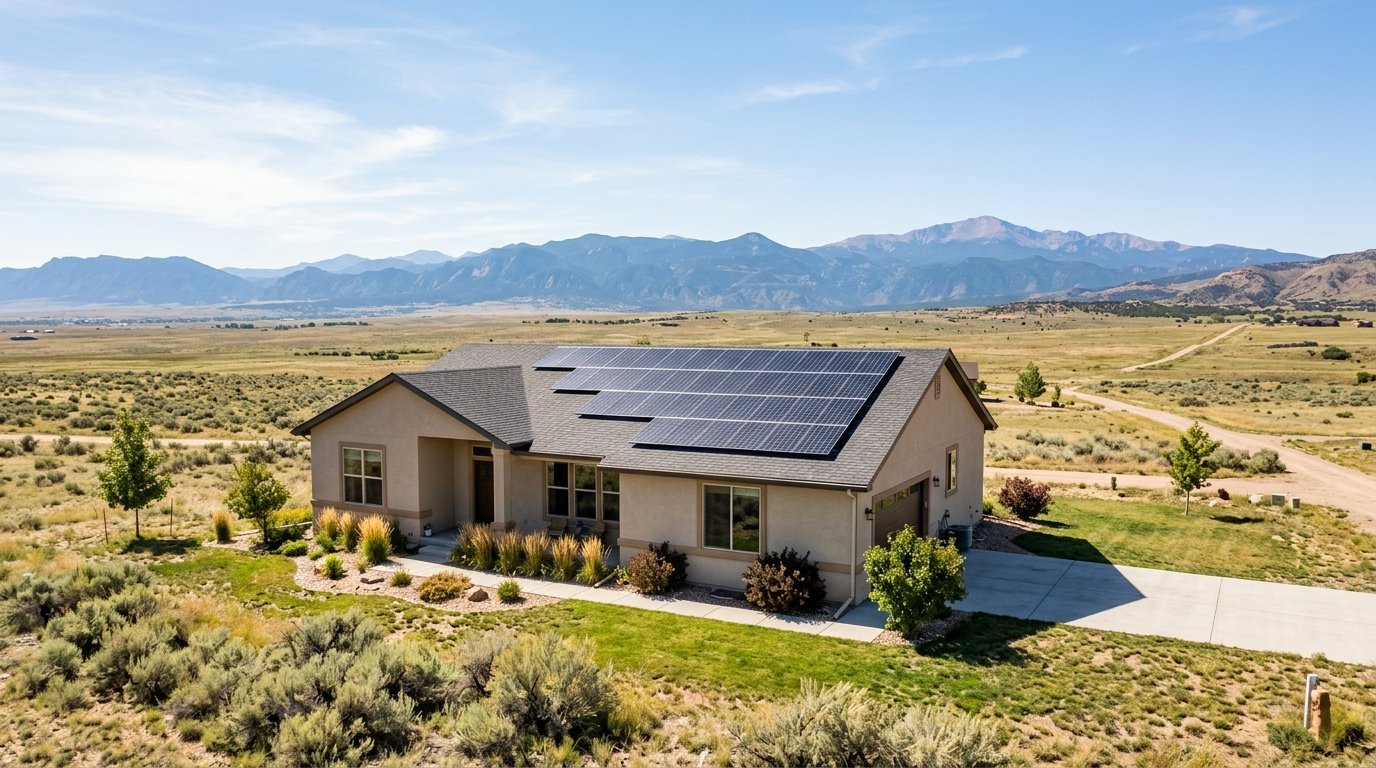
If you are a San Isabel Electric member in Pueblo West or the surrounding southern Colorado service area, here is the short version on going solar: SIEA currently offers full one to one retail net metering with kilowatt hour banking, so the surplus your panels send to the grid is credited at the same rate you pay to buy power, and any extra rolls forward month to month as a bank you draw down later. The one cost you cannot offset with production is the monthly access charge, which every member pays regardless of how much solar you generate. For members who add a battery, an electric vehicle, or a heat pump, a time-of-use rate option opens up that can change how you plan your system. That mix of 1:1 banking plus an unavoidable fixed charge is what makes San Isabel Electric solar pencil out the way it does.
San Isabel Electric Association is a member owned cooperative serving Pueblo West and a wide stretch of southern Colorado. Because it is a co-op rather than an investor owned utility, the board sets the local solar rules, fees, and crediting structure, and those details differ from what a neighbor on a different utility may tell you. Getting the specifics right for SIEA is what separates a system that delivers the savings you expect from one that disappoints.
How San Isabel Electric solar net metering works
Net metering is the billing arrangement that credits you for the solar energy your system exports to the grid. When your panels produce more than your home is using, the surplus flows out onto the SIEA lines and your meter records the export. At night or on cloudy days you pull power back from the grid as usual. If the concept is new to you, our overview of how net metering works walks through the mechanics step by step.
What makes SIEA attractive today is that the credit is one to one at the retail rate. A kilowatt hour you export is worth the same as a kilowatt hour you buy, so there is no penalty for sending power to the grid during the sunny middle of the day and pulling it back in the evening. On top of that, SIEA banks your net surplus. Rather than zeroing out your account every month, the co-op carries forward any excess generation as a credit you can spend down later. Think of it as a savings account measured in energy.
What the banking model means for your bill
- Strong months carry weak months. Long, sunny days in late spring and summer build a credit that helps cover the short, low production days of winter when heating loads climb.
- One to one keeps exports valuable. Because exported energy is credited at the retail rate, the timing of your production matters far less than it does on utilities that pay a reduced rate for exports.
- The access charge is the floor. No amount of solar erases the monthly access charge. It is a fixed cost of being connected to the grid, so plan on it remaining on your bill even when your energy charges fall to nearly zero.
The monthly access charge and what it means for sizing
Every SIEA member pays an unavoidable monthly access charge. This is the part of your bill that solar cannot offset, because it covers the cost of the poles, wires, and service that keep you connected whether you generate your own power or not. For solar shoppers this matters in two ways. First, your bill will never reach zero, so set your expectations on the energy portion of the bill rather than the total. Second, because you cannot offset the fixed charge, oversizing your array to chase the last few dollars of energy savings rarely pays off. The smart target is a system sized to cover your annual energy usage, not one built to wipe out a charge that solar simply cannot touch.
This is where one to one net metering helps you. Because exports are credited at full retail and banked, a system matched to your yearly usage lets you bank summer surplus and spend it in winter, keeping nearly all of your generation at full value. That is the design we aim for in SIEA territory: match production to consumption, lean on the bank to smooth the seasons, and accept the access charge as the fixed floor it is.
An important note on a proposed buyback change
One detail to watch closely: there has been discussion of a proposed shift away from full retail net metering toward an avoided-cost buyback for surplus generation. As of June 2026 this is a proposal and its status is uncertain, so treat it as such. Avoided cost is roughly what it would cost the co-op to buy that power elsewhere, and it is meaningfully lower than the retail rate, so a move in that direction would reduce the value of any surplus you export beyond your own usage. We are flagging it because it could change the math on a new system, especially an oversized one.
Please confirm the current net metering and buyback terms directly with San Isabel Electric before you finalize a system design. The figures and structure described here reflect what is in place as of mid 2026, and co-op rates are set by the board and updated through the tariff over time. As part of your proposal we will pull the live SIEA terms with you so your numbers reflect what you will actually receive, not an outdated quote. If a buyback change does take effect, the practical response is the same one that already serves members well: size to your own usage and keep more energy on your side of the meter, which is exactly where a battery comes in.
Batteries, EVs, heat pumps, and the time-of-use option
SIEA offers a time-of-use rate option to members who add a battery, an electric vehicle, or a heat pump. On a time-of-use rate, electricity costs more during defined peak hours and less off peak, which rewards you for shifting your heaviest usage out of the expensive window. That structure is tailor made for storage. A battery lets you charge from your own midday solar or during cheap off-peak hours, then discharge during the costly peak so you avoid buying high priced grid power.
Whether time-of-use is worth it depends on your load shape and equipment. If you charge an EV overnight, run a heat pump, or want backup power during southern Colorado outages, the combination of a battery and a time-of-use rate can meaningfully improve your economics. We dig into the arithmetic of charging low and discharging high in our guide to battery time-of-use arbitrage, and our home battery storage guide covers how to size and pair a battery with your solar system. If a possible buyback change is on the horizon, storage becomes even more valuable, because it keeps surplus solar on site at full value instead of exporting it for a lower credit.
Why work with ProGreen Solar in SIEA territory
ProGreen Solar is a Colorado company serving both the Front Range and southern Colorado, including Pueblo West and the wider San Isabel Electric area. We hold an A plus rating from the BBB and are a licensed electrical contractor under EC.0101788. With a co-op like SIEA, the difference between a system that delivers and one that disappoints comes down to the local details: how one to one banking works, how the access charge limits what solar can offset, whether the proposed buyback change moves forward, and whether a time-of-use battery setup fits your home. We design to those specifics, confirm the live SIEA terms with you rather than guessing, and size your array to your own usage so your banked energy stays valuable.
Members just down the road served by Black Hills Energy in Pueblo face a very different rate and rebate structure, which is a good reminder that southern Colorado solar is highly local. Confirm your own utility and meter before you design anything.
Getting started
Solar with San Isabel Electric is a strong fit today thanks to one to one net metering and kilowatt hour banking, as long as you plan around the monthly access charge and keep an eye on the proposed buyback change. The smartest first step is a usage review so we can size your system to your home, confirm the current SIEA net metering and rate terms together, and show you whether a battery and time-of-use rate add value for your situation. When you are ready, visit our residential solar page or reach out for a no pressure assessment of your Pueblo West home.
Frequently Asked Questions
Does San Isabel Electric offer one to one net metering?
As of mid 2026, San Isabel Electric offers full one to one retail net metering with kilowatt hour banking. Surplus solar energy you export is credited at the same rate you pay to buy power, and any net excess rolls forward as a bank you draw down later. Confirm the current terms directly with SIEA before designing a system.
Will my San Isabel Electric bill ever reach zero with solar?
No. Every member pays an unavoidable monthly access charge that solar cannot offset, because it covers the cost of staying connected to the grid. Solar can drive the energy portion of your bill down sharply, but plan on the access charge remaining. That is why sizing to your usage, rather than oversizing, makes the most sense.
Is San Isabel Electric changing how it credits solar exports?
There has been discussion of a proposed shift from full retail net metering toward an avoided-cost buyback, which would credit surplus at a lower rate. As of June 2026 this is a proposal and its status is uncertain. Confirm the current net metering and buyback terms directly with San Isabel Electric before relying on them.
Can I get a time-of-use rate with San Isabel Electric?
San Isabel Electric offers a time-of-use rate option to members who add a battery, an electric vehicle, or a heat pump. On that rate, power costs more during peak hours and less off peak, which rewards shifting usage and pairs well with battery storage. Whether it benefits you depends on your load shape and equipment.
Do I need a battery to go solar with San Isabel Electric?
No. One to one net metering and kilowatt hour banking already shift surplus energy across the seasons, so a battery is optional. Storage can still help if you want backup during outages, charge an EV, run a heat pump, or take advantage of a time-of-use rate, and it keeps more solar energy on site at full value.
How big should my solar system be in San Isabel Electric territory?
Because you cannot offset the monthly access charge and a buyback change could reduce the value of surplus, the best target is a system sized close to your annual energy usage. We start from twelve months of your actual kilowatt hours and account for any electric heat, heat pump, well pump, or EV loads.
Disclaimer: Utility program details (incentives, caps, fees, and rates) change frequently by board or commission action. Verify current details directly with your utility before making decisions. Accurate as of June 24, 2026.
Ready to Go Solar?
Get a free personalized quote from ProGreen Solar, Colorado's most trusted installer.
Get a Free Quote