


Black Hills Energy Colorado Solar: Net Metering, Rebates and Interconnection Fees
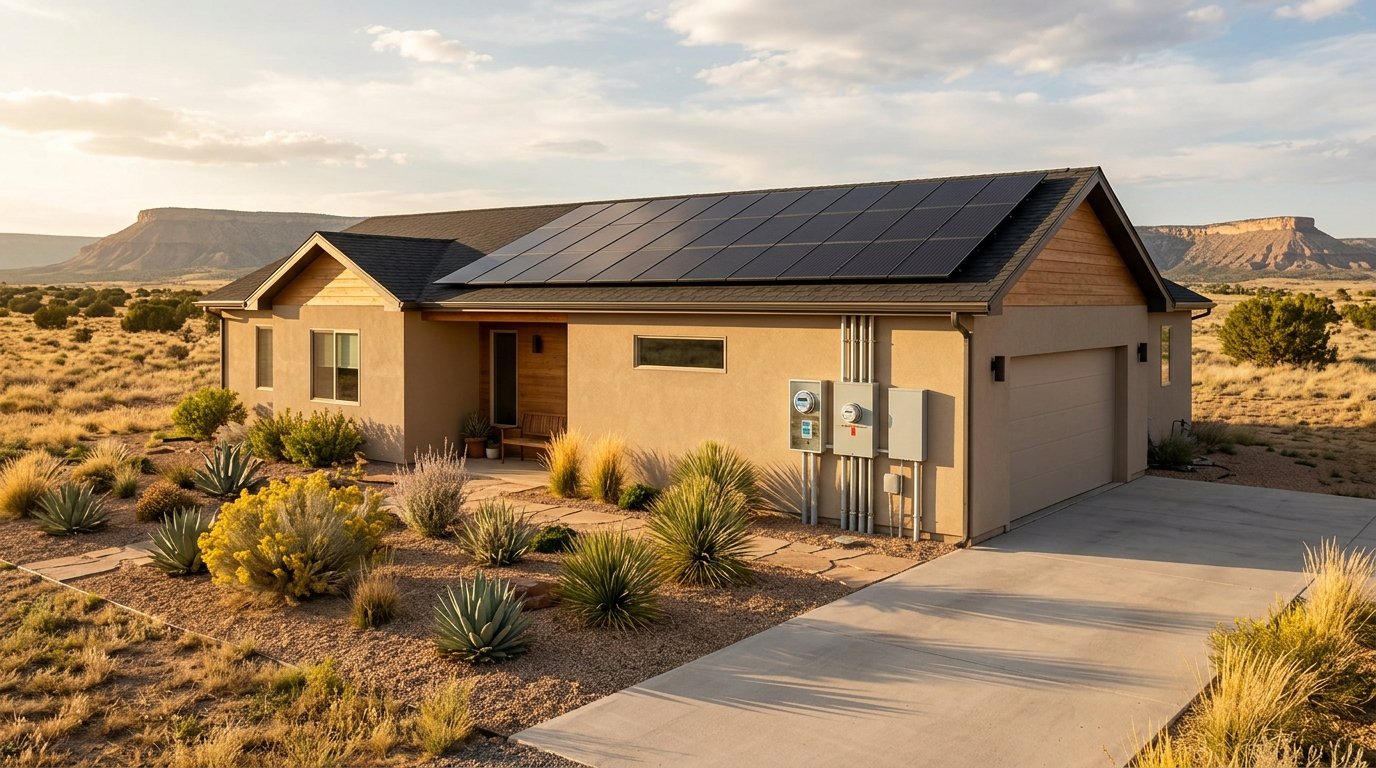
If you live in southern Colorado and take your power from Black Hills Energy, solar still works in your favor, but the rules look different from what your friends on Xcel deal with up north. Black Hills Energy solar in Colorado runs on its own net metering terms, its own rebate, and its own interconnection fees, and a few of those details can change your payback if you do not plan around them. This guide lays out what Black Hills offers in its Colorado electric territory so you can size a system correctly and avoid the avoidable mistakes.
Black Hills Energy serves the electric grid in and around Pueblo, Canon City, and much of southern Colorado. Below we cover how net metering credits your surplus, the income-qualified rebate and the paired storage incentive, the interconnection fees you should budget for, how large a system you are allowed to build, and the November 15 rollover election deadline that quietly decides what happens to your banked credits each year. Because utility programs change, treat these figures as a current snapshot and confirm the live numbers with Black Hills before you sign anything.
How Black Hills Energy net metering works
Net metering is the arrangement that gives your solar panels their value when they produce more than your home is using. On a sunny afternoon your array can send surplus power back onto the grid, and net metering credits you for that export so you can draw it back later when the sun is down. If you are new to the concept, our plain-English explainer on how net metering works walks through the mechanics before you dive into the utility-specific details.
Under Black Hills Energy in Colorado, the surplus you send to the grid is credited against the power you pull from it. Excess generation banks forward month to month rather than disappearing, which matters in Colorado because your production swings hard between the long, sunny summer and the shorter winter days. The credits you build up in spring and summer help carry you through the lower-production winter months.
The piece many homeowners overlook is what happens to leftover credits at the end of the cycle, which brings us to the rollover election.
The November 15 rollover election deadline
Black Hills Energy lets net metering customers make an annual election about how their accumulated credits are handled, and the deadline to make that election is November 15. This is the kind of administrative detail that is easy to miss and costly to ignore, because the choice you make, or fail to make, determines whether banked credits keep rolling forward or get trued up.
The practical advice is straightforward:
- Put November 15 on your calendar every year. The election is annual, not a one-time setup.
- Understand your own production pattern first. If you tend to bank a large summer surplus, the rollover choice has more impact on you than on a household that runs close to even.
- Ask Black Hills directly how your current election is set. Do not assume. Confirm what is on file so you are not surprised at true-up.
Because the exact treatment can shift with tariff updates, confirm the current rollover terms and the election mechanics with Black Hills Energy before the deadline each year.
The Black Hills Energy solar rebate and paired storage incentive
Black Hills Energy offers an income-qualified rebate for solar in its Colorado territory. The rebate is set at $1 per watt for households that qualify, which can take a meaningful bite out of installation cost for eligible families. On top of that, when you add a battery to your solar system, Black Hills offers a paired storage incentive of $100 per kilowatt. The combined rebate is capped at $1,000.
A few things to keep in mind about these incentives:
- The $1 per watt solar rebate is income-qualified, so eligibility depends on meeting the program's income criteria. If you think you may qualify, raise it with your installer early so the documentation is handled up front.
- The $100 per kilowatt paired storage incentive applies when you install a battery alongside the panels, which is increasingly common in southern Colorado where backup power during outages is a real draw.
- The overall cap is $1,000, so the rebate is a helpful offset rather than the centerpiece of your financing. Plan your project economics around the energy savings first, with the rebate as a bonus.
The Black Hills rebate is one layer in a larger stack of Colorado solar incentives, and the layers work together. Alongside the utility rebate, southern Colorado homeowners can look at the state sales and use tax treatment of solar equipment, the property tax exemption on the value solar adds to a home, and the state battery storage credit. Our overview of Colorado solar incentives in 2026 lays out the full menu so you can see how everything stacks.
Interconnection fees to budget for
Connecting your system to the Black Hills grid carries an interconnection fee, and the amount depends on your system size and the level of utility review required. Black Hills Energy interconnection fees in Colorado run $380 or $760. Smaller residential systems that clear the simpler review path land at the lower figure, while larger systems that trigger a more involved study sit at the higher one.
This is a one-time cost, not a recurring charge, and a competent installer will fold it into your proposal so there are no surprises at the finish line. It is worth confirming which fee tier your specific system falls into when you review your quote, because the difference can sway the math on a borderline-sized array.
How big a system can you build
Black Hills Energy allows residential solar systems to be sized up to 200 percent of your historical usage. That is a generous allowance compared to many Colorado co-ops and utilities, which often cap sizing at 100 or 120 percent. The wider ceiling matters for a specific kind of household: one that expects its electricity use to climb.
If you are planning to add an electric vehicle, electrify your heating with a heat pump, finish a basement, or otherwise grow your load, the 200 percent allowance lets you build a system that covers tomorrow's usage rather than just today's. That foresight avoids the awkward situation of outgrowing a too-small array a year after you install it. Talk through your future plans with your installer so the system is sized for where your household is headed, not just where it is now.
This is one area where Black Hills customers have more room than many of their neighbors. For contrast, homeowners on a tighter co-op cap, such as those served by Poudre Valley REA in northern Colorado, have to plan more carefully around lower sizing limits.
How Black Hills compares to other Colorado utilities
Every Colorado utility writes its own solar rules, and Black Hills Energy sits in a reasonable middle ground: workable net metering, an income-qualified rebate, a generous sizing cap, and modest interconnection fees. Customers in nearby Colorado Springs, by contrast, are watching potential net metering changes work their way through their municipal utility, which we cover in our guide to Colorado Springs Utilities solar. The takeaway is that your utility, not just your roof, shapes your solar economics, so the right design for a Black Hills customer is not identical to the right design across the county line.
ProGreen Solar installs across the Front Range and the Western Slope, and we are a licensed Colorado electrical contractor. We handle the Black Hills Energy net metering application, the rebate paperwork, and the interconnection process as a standard part of every project in their territory. If you want a straight read on what solar would cost and save at your address, including your interconnection fee tier and whether you qualify for the income-qualified rebate, visit our residential solar page and we will put real numbers in front of you. Because utility programs change, we will also confirm the current Black Hills figures and rollover terms as part of your proposal.
Frequently Asked Questions
Does Black Hills Energy offer net metering for solar in Colorado?
Yes. Black Hills Energy in Colorado credits the surplus power your solar system sends to the grid against the power you draw, and excess generation banks forward month to month. The exact terms can change with tariff updates, so confirm the current rules with Black Hills before you install.
What is the Black Hills Energy solar rebate?
Black Hills Energy offers an income-qualified solar rebate of one dollar per watt, plus a paired storage incentive of one hundred dollars per kilowatt when you add a battery. The combined rebate is capped at one thousand dollars. Eligibility for the income-qualified portion depends on meeting the program income criteria.
What are the Black Hills Energy interconnection fees in Colorado?
Interconnection fees are either three hundred eighty dollars or seven hundred sixty dollars, depending on your system size and the level of utility review required. Smaller residential systems typically land at the lower fee, while larger systems that trigger a more involved study sit at the higher one. It is a one-time cost.
How large a solar system can I build on Black Hills Energy?
Black Hills Energy allows residential systems to be sized up to two hundred percent of your historical usage. That generous allowance lets you build a system for future load growth, such as adding an electric vehicle or a heat pump, rather than sizing only for today's usage.
What is the November 15 rollover deadline?
Black Hills net metering customers make an annual election by November 15 about how their accumulated credits are handled. The choice you make, or fail to make, affects whether banked credits keep rolling forward or get trued up. Mark the date each year and confirm your current election directly with Black Hills.
Which southern Colorado areas does Black Hills Energy serve?
Black Hills Energy serves the electric grid in and around Pueblo, Canon City, and much of southern Colorado. If you are unsure whether your address falls within their electric territory, check your utility bill or ask the company directly before planning a solar project.
Disclaimer: Utility program details (incentives, caps, fees, and rates) change frequently by board or commission action. Verify current details directly with your utility before making decisions. Accurate as of June 24, 2026.
Ready to Go Solar?
Get a free personalized quote from ProGreen Solar, Colorado's most trusted installer.
Get a Free Quote