


NEC 2023 Energy Storage Requirements: What Article 706 Means for Your Battery
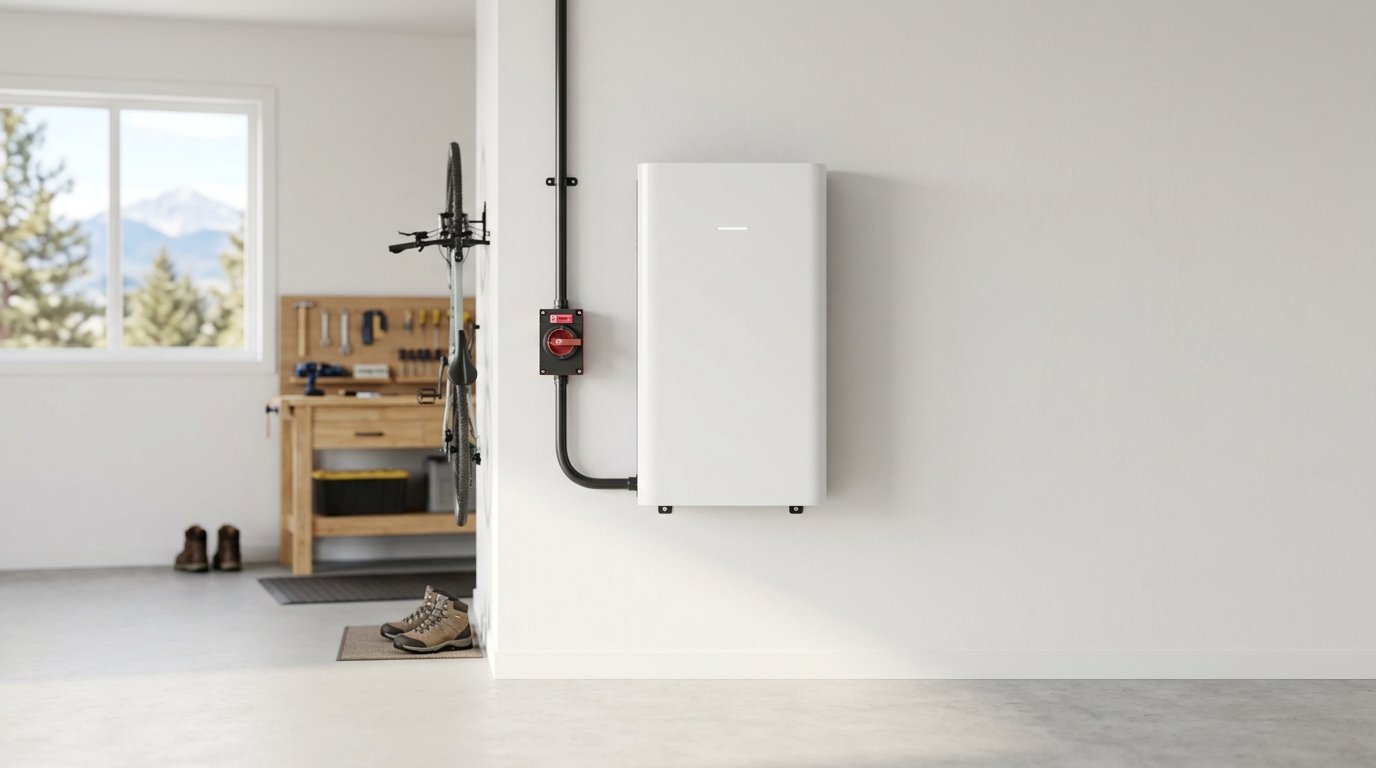
If you are adding a home battery in Colorado, the rulebook your installer and inspector both work from is the National Electrical Code, and the section that governs your equipment is Article 706. NEC 2023 battery storage requirements under Article 706 cover how an energy storage system (ESS) is disconnected, ventilated, spaced, listed, and commissioned. In short: a compliant battery has a clearly marked way to shut it off, enough room around it for safe service, listing to UL 9540, and a documented commissioning test before it goes live. Getting those details right is the difference between a smooth inspection and a failed one.
ProGreen Solar is a licensed Colorado electrical contractor (license EC.0101788), so we install and commission storage to this code every week across the Front Range and Western Slope. Here is what Article 706 actually asks for, in plain language.
What Article 706 covers in NEC 2023 battery storage
Article 706 is the dedicated home for energy storage systems in the National Electrical Code. Earlier code cycles scattered battery rules across several articles, but NEC 2023 consolidates the requirements for ESS, which includes lithium-ion home batteries like those in our home battery storage guide. The article applies whether the battery is paired with solar, charged from the grid, or both.
The core idea is simple. A battery stores real energy and can deliver it fast, so the code treats it like a permanent power source that needs to be safely isolated, properly housed, and verified to work before anyone relies on it. If you want the basics of how the cells themselves store and release power, our explainer on how solar batteries work pairs well with this article.
Listing to UL 9540
The single most important word in an ESS inspection is listed. NEC 2023 requires energy storage systems to be listed, and the relevant standard is UL 9540 for the complete system, with the battery cells evaluated to UL 9540A fire testing. A listed system means a recognized lab tested the equipment for electrical and fire safety as an assembled product, not just as loose parts.
For homeowners this is good news, because the major batteries on the Colorado market already carry these listings. It does mean a custom or homebuilt battery bank will not pass inspection in most jurisdictions, and we steer clients away from anything that is not properly listed.
Disconnects: the rules that get scrutinized most
Disconnecting means is where many installations live or die at inspection. Article 706 requires a readily accessible disconnect that opens all ungrounded conductors from the ESS, and it must be capable of being locked in the open position. The disconnect has to plainly indicate whether it is open or closed.
- Location and access. The disconnect must be reachable without climbing over equipment or removing obstacles. For most Colorado homes that means a switch on or beside the battery, plus an exterior utility disconnect where the local utility requires one.
- Marking. Energy storage disconnects carry specific labels, including a warning that terminals on both sides may be energized in the open position. The battery side can stay live even when the grid side is off.
- Emergency shutdown. For one and two family dwellings, NEC 2023 requires a readily accessible emergency disconnect for the ESS, so first responders can de-energize the system quickly.
Because batteries can backfeed the rest of the home, the disconnect strategy ties directly into how the system connects to your service. That overlap with breaker sizing, backfeed limits, and the busbar rating is exactly why storage projects so often involve a panel review. See our breakdown of the line versus load side connection in the main panel upgrade for solar article if your battery will provide whole home or partial backup.
Working clearances around the battery
Article 706 points back to the standard working space rules of the code, which generally call for at least 3 feet of clear depth in front of energized equipment that may need service, a minimum width, and adequate headroom. In practice this is why your installer cannot tuck a battery into a cramped closet corner. The unit needs breathing room for safe maintenance and for heat to dissipate.
Manufacturer instructions add their own spacing rules, and the code requires you to follow them. NEC 2023 makes manufacturer installation instructions enforceable, so if Tesla, Enphase, or Franklin specifies a clearance between units or from a wall edge, that spacing becomes a code requirement, not a suggestion.
Ventilation, location, and fire safety
Lithium home batteries do not off-gas the way old flooded lead-acid banks did, so the heavy ventilation rules for vented cells rarely apply to a modern wall mounted unit. Even so, Article 706 and the listing instructions set location and spacing limits that matter in a typical Colorado home:
- Many jurisdictions limit the aggregate energy of batteries in or near living space and require a fire rated separation or specific standoff distances from doors and windows.
- Garages, utility rooms, and exterior walls are common compliant locations. Bedrooms and closets in sleeping areas are usually restricted.
- Equipment must be protected from physical damage, which for garage installs often means a bollard or barrier near vehicle traffic.
Cold matters too. At our altitude and winter temperatures, an unconditioned space can drop below a battery's rated operating range, so we plan placement around both code and performance. A garage on the Western Slope behaves very differently in January than one in central Denver.
Commissioning: proving the system works
NEC 2023 requires energy storage systems to be commissioned, which means a documented startup and test process performed by qualified persons. Commissioning is not just flipping the breaker. It typically includes verifying the listing and ratings, confirming disconnect operation and labeling, checking settings and firmware, testing the shutdown sequence, and documenting the results.
For you as the homeowner, commissioning produces a paper trail that the inspector wants to see and that protects your warranty. A battery that was energized without proper commissioning can create real problems later with both the manufacturer and the authority having jurisdiction. ProGreen's electricians commission every storage system we install and hand you the documentation.
How Colorado jurisdictions adopt the code
NEC 2023 is a national standard, but it only carries legal weight once a state or local authority having jurisdiction adopts it. Colorado is a statewide electrical-license state, and many Front Range and mountain jurisdictions have moved to the 2023 cycle, though some still enforce 2020 or even 2017 for certain elements. The practical takeaway: the exact rules your inspector applies depend on your county or city.
That is where working with a local licensed contractor pays off. We track which code edition each authority is enforcing, from Boulder and Larimer County to the co-op territories on the Western Slope, so your design matches the inspector who will actually sign off. Mismatched code assumptions are one of the most common causes of a failed first inspection.
What this means for your project
You do not need to memorize Article 706 to add a battery, but it helps to know what a compliant install looks like so you can recognize a quality job:
- The battery is a listed UL 9540 system, not a homebuilt bank.
- There is a readily accessible, lockable, clearly labeled disconnect, plus an emergency disconnect for the home.
- The unit has full working clearance and meets manufacturer spacing.
- The location respects ventilation, fire separation, and temperature limits.
- The system is formally commissioned with documentation you keep.
Article 706 exists to make home energy storage safe and serviceable for decades, and a careful installer treats it as the floor, not the ceiling. If you are weighing a battery for backup, time-of-use savings, or a utility program, talk to a team that installs and commissions storage to current code every day. Reach out through our residential solar and storage page and we will walk your specific site, panel, and jurisdiction before anything gets ordered.
Frequently Asked Questions
What is NEC Article 706?
Article 706 is the section of the 2023 National Electrical Code dedicated to energy storage systems. It sets the rules for how home batteries are disconnected, located, ventilated, listed, and commissioned so the system is safe to install and service.
Does my home battery need to be UL 9540 listed?
Yes. NEC 2023 requires energy storage systems to be listed, and the standard for a complete system is UL 9540, with cells evaluated under UL 9540A fire testing. Major batteries sold in Colorado already carry these listings, but custom or homebuilt banks usually will not pass inspection.
Where can I install a battery in my house under NEC 2023?
Garages, utility rooms, and exterior walls are common compliant locations. Bedrooms and closets in sleeping areas are typically restricted, and the battery needs full working clearance plus the spacing and fire separation called out by the code and the manufacturer instructions.
What is energy storage commissioning?
Commissioning is a documented startup and test process performed by qualified persons. It includes verifying ratings and listing, confirming the disconnect and labels, checking settings, testing the shutdown sequence, and recording the results. NEC 2023 requires it, and the documentation supports both your inspection and your warranty.
Has Colorado adopted the 2023 code for battery storage?
It depends on your local authority having jurisdiction. Colorado is a statewide electrical-license state, and many Front Range and mountain jurisdictions enforce NEC 2023, while some still use an earlier cycle for certain items. A local licensed contractor will design to the edition your specific inspector enforces.
Why does a battery install often involve my main electrical panel?
Because a battery can backfeed power into the home, its disconnect and connection method tie directly into your service panel, breaker sizing, and busbar rating. Whole-home or partial backup setups frequently require a panel review or upgrade to stay within code limits.
Ready to Go Solar?
Get a free personalized quote from ProGreen Solar, Colorado's most trusted installer.
Get a Free Quote