


Empire Electric Association Solar Guide: Cortez and Montezuma County
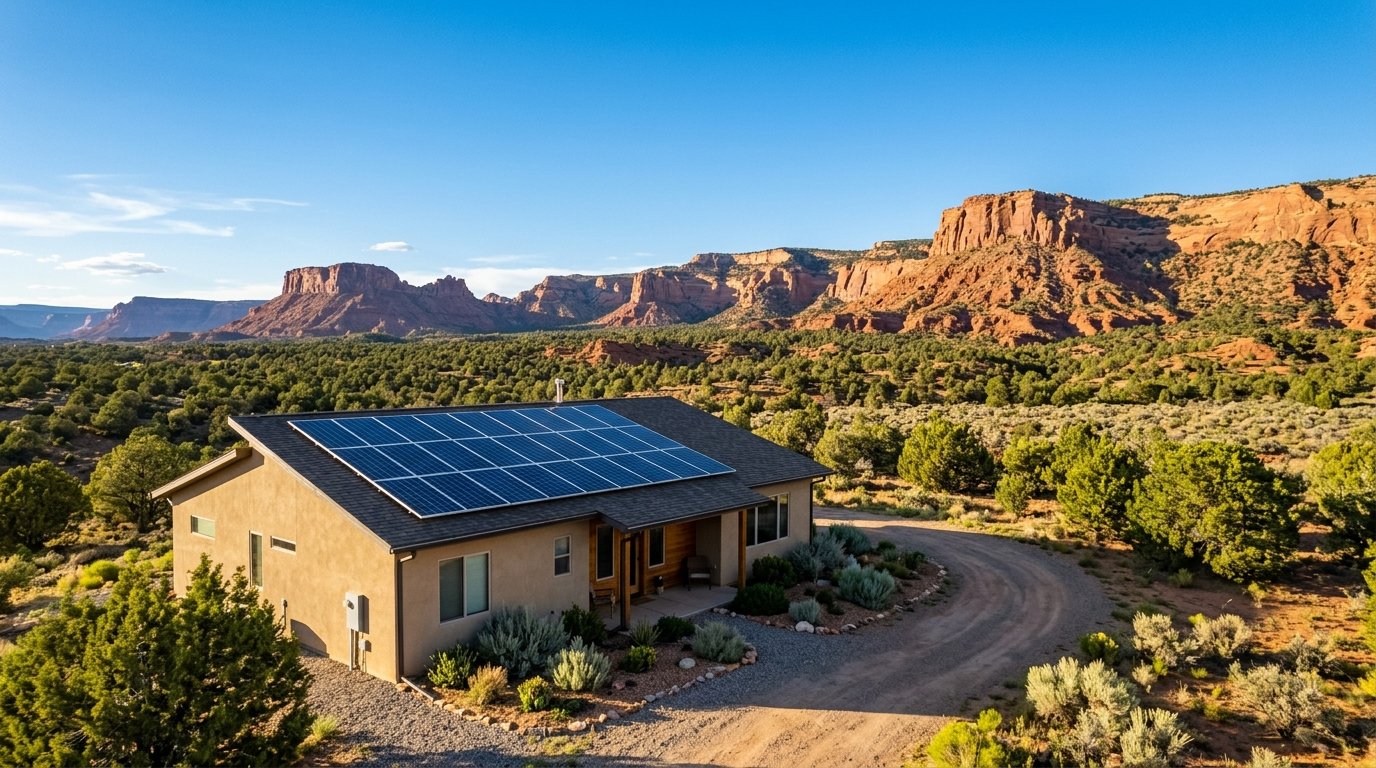
If you live in the Cortez area or anywhere in Montezuma or Dolores County, your power comes from Empire Electric Association, and going solar here works a little differently than it does on a big investor owned utility like Xcel. Empire Electric solar means working within a member owned cooperative that has historically allowed residential systems up to 10 kW, with any year end excess generation credited at the wholesale rate Empire pays its own power supplier. The single most important step before you sign anything is confirming your current credit terms directly with EEA, because the way co-ops value your extra solar can change.
ProGreen Solar designs and installs systems across the Front Range and the Western Slope, including southwest Colorado, so we built this guide to help local homeowners understand how Empire Electric handles rooftop solar and how to size a system that actually pays off in this territory.
Who Empire Electric Association serves
Empire Electric Association is a not for profit electric cooperative headquartered in Cortez. It serves Montezuma and Dolores counties along with portions of the surrounding area in the far southwest corner of Colorado. As a co-op, Empire is owned by its members, the people who buy power from it, rather than by outside shareholders. Empire buys its wholesale electricity from Tri-State Generation and Transmission, and that wholesale relationship matters because it often sets the price at which your surplus solar gets valued.
Because co-ops set their own rules, the terms in Cortez are not identical to what a neighbor in Durango sees from La Plata Electric, or what someone in Denver sees from Xcel. Each utility writes its own interconnection and net metering policy.
How Empire Electric solar net metering has worked
Empire Electric has historically offered net metering for residential members, typically capped at systems up to 10 kW. Under a net metering arrangement, the energy your panels send back to the grid during the day spins your meter backward and offsets the energy you pull at night, so on your monthly bill you pay for net consumption. If you are new to the concept, our overview of how net metering works walks through the mechanics in plain language.
Where co-ops like Empire often differ from the big utilities is in how they treat the leftover credits at the end of the year. Empire has historically settled any year end excess generation, the surplus you produced beyond what you used over the full year, at the avoided cost rate it pays Tri-State. Avoided cost, sometimes called the wholesale rate, is meaningfully lower than the retail rate you pay per kilowatt hour. That gap is the practical reason most solar designers aim to size a system to your usage rather than dramatically oversize it.
Important: confirm your current credit basis with EEA
Here is the part to take seriously. The current credit basis at Empire Electric should be treated as approximate until you verify it. Available sources conflict on whether the cooperative currently applies true one to one retail net metering or credits surplus at avoided cost, and co-op tariffs are revised from time to time. We are flagging this openly rather than quoting a figure we cannot stand behind as of June 2026.
Before you commit to a system size or run any savings math, call Empire Electric Association directly and ask three specific questions:
- Is residential surplus credited at the full retail rate, or at the avoided cost or wholesale rate?
- What is the current residential system size cap, and is there a percentage of annual usage limit?
- How and when is year end excess generation settled, and is it paid out, rolled over, or forfeited?
Getting these answers in writing, ideally a copy of the current net metering tariff or interconnection schedule, protects you from designing around outdated assumptions. A reputable installer will gladly make this call with you or pull the current tariff as part of the proposal.
Sizing a solar system in Empire Electric territory
The historical 10 kW residential ceiling is generous for most homes in the Cortez area. A well built 7 to 9 kW system covers the annual usage of a typical all electric or mixed fuel household in southwest Colorado, and southwest Colorado gets excellent sun, which helps each panel produce more than it would in a cloudier climate.
Because excess generation has historically been valued at the lower avoided cost rate, the smartest financial target is to size your array close to your actual annual consumption rather than overbuilding. Overproduction that gets settled at wholesale earns you only pennies on the dollar compared with the retail value you capture by offsetting your own usage. To size accurately, pull a full twelve months of kilowatt hour usage from your Empire bills and account for anything that will increase your load soon, such as an electric vehicle, a heat pump, or a planned addition.
If your roof cannot fit a system large enough to cover your usage, or if a future electric vehicle pushes you past the cap, pairing solar with a home battery can help you store and use more of what you produce on site rather than exporting it at wholesale value. That keeps more of your generation working at retail value behind your meter.
Fees, interconnection, and the application process
Like most Colorado co-ops, Empire Electric requires an interconnection application and a signed net metering agreement before your system can be switched on, and there is generally an application or net metering fee involved. Co-op fees in southwest Colorado tend to be modest, but the exact amount and the inspection requirements change, so ask Empire for the current interconnection packet when you call about your credit basis. Your installer handles the paperwork in nearly all cases, but you should know the fee so it shows up in your quote rather than as a surprise.
The general path looks like this:
- Review twelve months of usage and design a system sized to your needs.
- Submit the interconnection application and net metering agreement to Empire Electric.
- Pull the local building permit through Montezuma or Dolores County.
- Install the system, then pass electrical inspection.
- Receive permission to operate and a new bidirectional meter from Empire.
How Empire compares to nearby co-ops
Southwest Colorado is co-op country, and terms vary from one service area to the next. Just east of Empire, members of La Plata Electric Association around Durango operate under their own net metering and interconnection rules, including a different system cap and fee structure. If you own property in both areas or are comparing notes with friends across county lines, our La Plata Electric solar guide lays out how that neighboring cooperative handles solar. The headline takeaway is the same in every co-op territory: verify the current policy with your specific utility before you design a system.
Working with a Colorado installer who knows co-op territory
The mistake we see most often in co-op territory is a homeowner or an out of state installer assuming retail net metering applies when the surplus is actually credited at wholesale. That single assumption can swing the payback math by years. ProGreen Solar builds proposals around your verified Empire Electric terms, your real usage, and the strong solar resource in Montezuma County, so the numbers you see are the numbers you get.
If you are weighing solar in Cortez or anywhere in Empire Electric territory, you can explore our residential solar options to see how a properly sized, locally permitted system would work on your home. Confirm your credit basis with Empire, bring us your usage, and we will design around the facts on the ground in southwest Colorado.
Frequently Asked Questions
What is the residential solar system size limit on Empire Electric?
Empire Electric Association has historically allowed residential systems up to 10 kW. Caps can change, so confirm the current limit and any percentage of usage restriction directly with Empire before you finalize a design.
Does Empire Electric pay retail or wholesale rates for my extra solar?
This is the key item to verify. Empire has historically credited year end excess generation at the avoided cost or wholesale rate it pays Tri-State, which is lower than the retail rate. Sources conflict on the current basis, so call Empire and ask whether surplus is credited at retail or avoided cost as of today.
Who does Empire Electric Association serve?
Empire Electric is a member owned cooperative based in Cortez that serves Montezuma and Dolores counties in far southwest Colorado. It buys its wholesale power from Tri-State Generation and Transmission.
Should I oversize my solar system in Empire Electric territory?
Generally no. If surplus is credited at the lower wholesale rate, overproduction earns far less than the retail value you capture by offsetting your own usage. Size your array close to your actual annual consumption, or add a battery to use more of your production on site.
Is there a fee to connect solar to Empire Electric?
Most Colorado co-ops, including Empire, require an interconnection application, a net metering agreement, and usually an application fee. Ask Empire for the current interconnection packet and fee so your installer can include it in your quote.
How do I confirm Empire Electric's current solar rules?
Call Empire Electric Association directly and request the current net metering or interconnection tariff in writing. Ask about the system cap, how surplus is credited, and how year end excess is settled. Your installer can pull this for you as part of the proposal.
Disclaimer: Utility program details (incentives, caps, fees, and rates) change frequently by board or commission action. Verify current details directly with your utility before making decisions. Accurate as of June 24, 2026.
Ready to Go Solar?
Get a free personalized quote from ProGreen Solar, Colorado's most trusted installer.
Get a Free Quote