


Elective Pay (Direct Pay): How Colorado Nonprofits, Schools and Towns Get a 30% Solar Check from the IRS
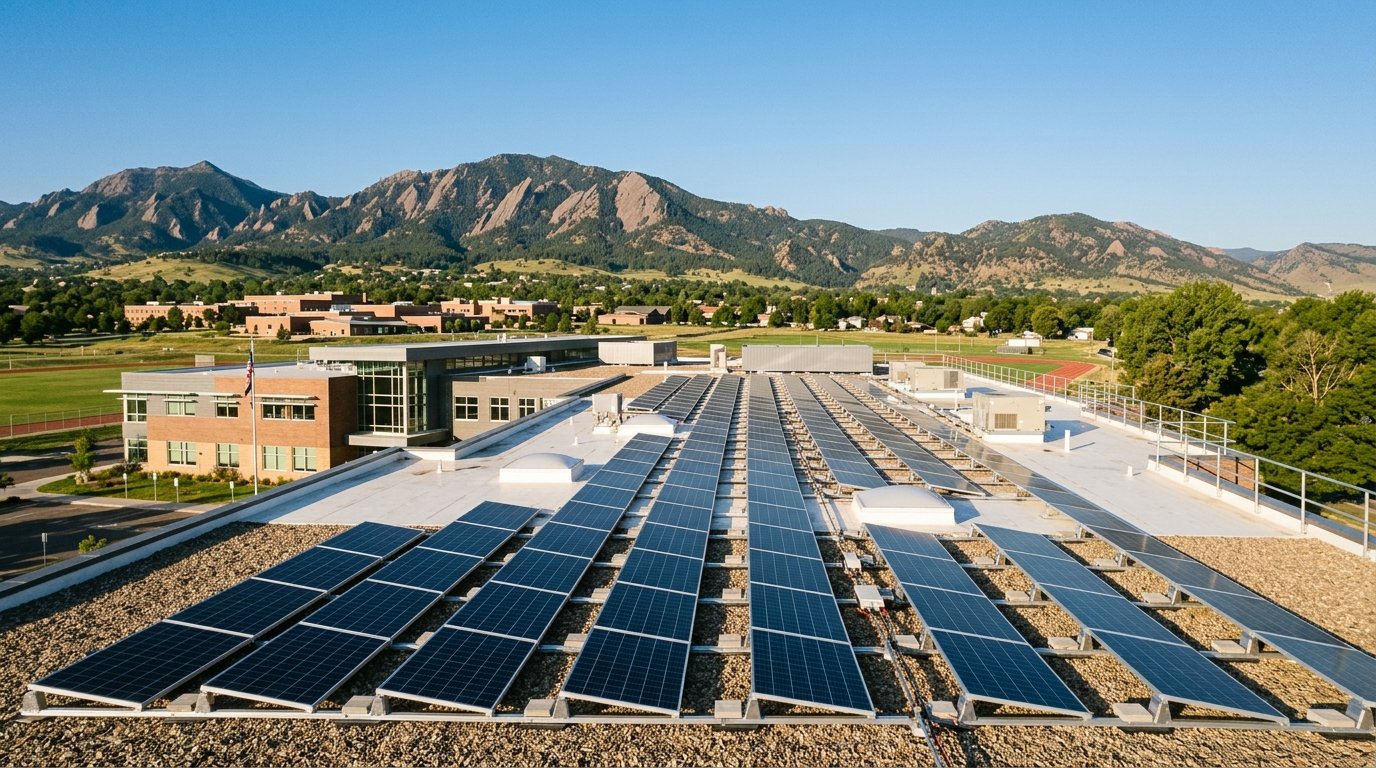
For decades, the federal solar tax credit was useless to the organizations that own many of Colorado's biggest roofs: school districts, city governments, churches, libraries and charitable nonprofits. They pay no federal income tax, so a tax credit had nothing to offset. Elective pay solar for nonprofit and public entities changes that completely. Under the Inflation Reduction Act, a tax-exempt entity can now claim the 30 percent Clean Electricity Investment Credit on a solar project and receive it as a direct cash payment from the IRS. In plain terms: your organization installs solar, then the IRS mails you a check for roughly 30 percent of the project cost. This guide explains how elective pay, also called direct pay, works for Colorado nonprofits, schools and towns, and what you must do before the July 4, 2026 deadline.
What Elective Pay (Direct Pay) Actually Is
Elective pay is a mechanism created by Section 6417 of the Internal Revenue Code. It lets entities that do not owe federal income tax treat a clean energy credit as if it were a payment of tax. Because that deemed payment exceeds the zero tax they owe, the difference comes back to them as a refund. The credit itself is the same one businesses use: the Section 48E Investment Tax Credit. We cover the underlying credit in detail in our guide to the Section 48E tax credit for commercial solar, and the same base 30 percent and bonus structure apply here.
The difference is the payment path. A taxable business reduces its tax bill or, if it has no tax appetite, sells the credit to another company. A tax-exempt entity instead elects to receive the credit as cash. There is no buyer, no discount and no tax liability required. This is why direct pay is such a strong fit for Colorado municipalities and school districts, which historically could only access solar savings by signing a power purchase agreement and letting a private developer keep the credit.
Who Qualifies for Elective Pay
The applicable entities eligible to use elective pay include:
- Tax-exempt organizations under 501(c), including charitable nonprofits, churches and religious organizations
- State and local governments, including cities, towns, counties and their agencies
- Public school districts and many public colleges and universities
- Special districts such as water, fire and recreation districts
- Tribal governments and certain tribal entities
- Rural electric cooperatives
- The Tennessee Valley Authority and certain other public bodies
If your organization falls into one of these categories and owns the solar system, you can generally use elective pay to monetize the credit directly.
How Much Is the Elective Pay Solar Credit Worth?
The base credit is 30 percent of the eligible project cost, provided the project meets the prevailing wage and apprenticeship rules or qualifies for an exception. From there, the same bonus adders that apply to commercial projects can stack on top:
- A domestic content bonus for using qualifying American-made steel, iron and components
- An energy community bonus for sites in coal-closure census tracts, brownfields or qualifying fossil-fuel employment areas, which several Colorado regions qualify for
For a tax-exempt entity, those bonuses increase the size of the check the IRS sends, just as they would increase a taxable company's credit. The economics can be compelling: on a sizable rooftop or ground-mount array, a 30 percent base credit returned as cash, before any bonus adders, dramatically shortens the payback period and frees up budget that would otherwise go to the utility every month.
One important note on domestic content for elective pay projects: larger projects that fail to meet domestic content thresholds can face a reduction in the elective payment amount. Smaller projects and those that satisfy the domestic content requirements avoid that haircut. We help Colorado public and nonprofit clients design systems with this in mind so the cash payment is maximized rather than eroded.
The Step-by-Step Elective Pay Process
Elective pay is generous, but it is not automatic. There is a specific sequence you must follow, and skipping a step can cost you the entire credit. Here is the path from decision to deposit.
- Place the solar project in service. The credit is tied to the year the system is operational. Your fiscal year and tax year matter here, so plan the in-service date deliberately.
- Complete pre-filing registration with the IRS. Before you can claim elective pay, you must register the project through the IRS pre-filing registration portal. You provide details about the entity and the facility, and the IRS issues a registration number for that specific project.
- Receive your registration number. This number is required on your return. No number, no payment. Register early, because processing takes time and a missing number is a common reason payments are delayed or denied.
- File the appropriate annual return. Even though your organization does not normally file a federal income tax return, you must file one for the year you make the elective pay election, including the relevant credit form and your registration number.
- Receive the payment. Once the return is processed and accepted, the IRS treats the credit as a payment of tax and refunds the amount to your organization.
Because the registration step is new to most nonprofits and governments, it is the single most important thing to start early. The portal, the documentation and the annual filing are unfamiliar territory for organizations that have never filed a federal return, so budget time and coordinate with your accountant or finance director well before the in-service date.
Elective Pay vs. Transferability
Elective pay is not the only way to turn a solar credit into cash. Taxable businesses can instead sell their credit to an unrelated buyer, a path we explain in our article on solar tax credit transferability. The key distinction is simple: elective pay is the cash route for tax-exempt entities, while transferability is the cash route for taxable businesses that lack tax appetite. Most Colorado nonprofits, schools and towns will use elective pay, not transferability, because they pay no tax and can receive the full credit directly rather than selling it at a discount.
The July 4, 2026 Deadline Applies to You Too
Here is the part many tax-exempt organizations miss. The recent changes to federal solar policy set a hard timeline on the 48E credit, and that timeline applies to elective pay projects exactly as it does to private commercial projects. To keep the 30 percent credit, a project must begin construction on or before July 4, 2026, or be placed in service by December 31, 2027.
Beginning construction is a defined federal concept with its own rules, and meeting it generally preserves your eligibility even if the system is not finished until later. We walk through the methods and the timing in our guide to the July 4, 2026 solar safe harbor deadline. For a school district or a town, public procurement and budget cycles can be slow, so the practical message is to start now. A project that breaks ground in time can lock in the credit; one that waits may lose it entirely.
This is exactly why we encourage Colorado public and nonprofit clients to begin scoping projects this year rather than next. Between board approvals, bid processes, interconnection applications and the IRS pre-filing registration, the calendar fills up faster than most organizations expect.
Why Elective Pay Is a Strong Fit for Colorado
Colorado is full of organizations that are perfect candidates for direct pay. School districts along the Front Range and on the Western Slope have large, flat, unshaded roofs and high daytime electricity use, which is the ideal load profile for solar. Municipalities own water treatment plants, recreation centers, libraries and maintenance facilities that run heavy daytime loads. Churches and nonprofits often carry tight operating budgets where eliminating a utility bill has an outsized impact.
Before elective pay, all of these entities had to give up the federal credit or hand it to a third-party developer through a power purchase agreement. Now they can own the system, control it for its full 25-plus-year life and capture the credit as cash themselves. Combined with Colorado's strong sun and high-altitude production, the case for public-sector and nonprofit solar has never been stronger. You can read more about commercial-scale project economics in our overview of commercial solar in Colorado.
ProGreen Solar serves both the Front Range and the Western Slope, and our commercial team has the engineering and licensing depth these projects require. We are a licensed Colorado electrical contractor, EC.0101788, which matters when your project has to satisfy public-works inspection standards and utility interconnection requirements. We can design a system sized to your load, build it to maximize the cash credit, and coordinate the documentation your finance office needs for the IRS pre-filing registration.
Getting Started
Elective pay finally puts the 30 percent federal solar credit within reach of the Colorado organizations that own our schools, town halls and houses of worship. The mechanics are manageable, but the deadline is real and the registration process rewards early movers. If your nonprofit, school district or municipality is even considering solar, the smart move is to begin scoping now so you can lock in the credit before the July 4, 2026 window closes. Reach out through our commercial solar team and we will help you evaluate your roofs, model the direct pay economics and map out a timeline that protects your eligibility.
Frequently Asked Questions
What is elective pay for solar?
Elective pay, also called direct pay, is an Inflation Reduction Act provision under Section 6417 that lets tax-exempt entities receive the federal solar Investment Tax Credit as a direct cash payment from the IRS instead of using it to offset income tax they do not owe.
Can a nonprofit or church really get a check from the IRS for solar?
Yes. A qualifying tax-exempt organization that owns its solar system can claim the 30 percent Clean Electricity Investment Credit through elective pay. After completing pre-filing registration and filing the required annual return, the IRS treats the credit as a tax payment and refunds it as cash.
Do schools and city governments qualify for elective pay solar?
Yes. Public school districts, cities, towns, counties, special districts, tribal governments and rural electric cooperatives are all applicable entities that can use elective pay, which makes it a strong fit for Colorado municipalities and school districts.
Is there a deadline for elective pay solar projects?
Yes. To keep the 30 percent credit, a project generally must begin construction on or before July 4, 2026, or be placed in service by December 31, 2027. Because public budget and procurement cycles take time, organizations should start scoping projects well in advance.
What is the difference between elective pay and credit transferability?
Elective pay is the cash route for tax-exempt entities such as nonprofits, schools and towns, who receive the full credit directly from the IRS. Transferability is the cash route for taxable businesses without tax appetite, who instead sell their credit to another company at a slight discount.
What do we have to do before claiming elective pay?
You must complete IRS pre-filing registration for the specific project and obtain a registration number before claiming the credit. You then file the appropriate annual federal return for the year of the election, include the registration number, and the IRS issues the payment. Start the registration early, since a missing number can delay or deny the payment.
Disclaimer: This article is general information, not tax or legal advice. Tax credits, deadlines, and IRS guidance change frequently and depend on your specific situation. Consult a qualified tax advisor or attorney before acting. Accurate as of June 24, 2026.
Ready to Go Solar?
Get a free personalized quote from ProGreen Solar, Colorado's most trusted installer.
Get a Free Quote