


Colorado Solar Sales and Use Tax Exemption: What's Covered and What Isn't
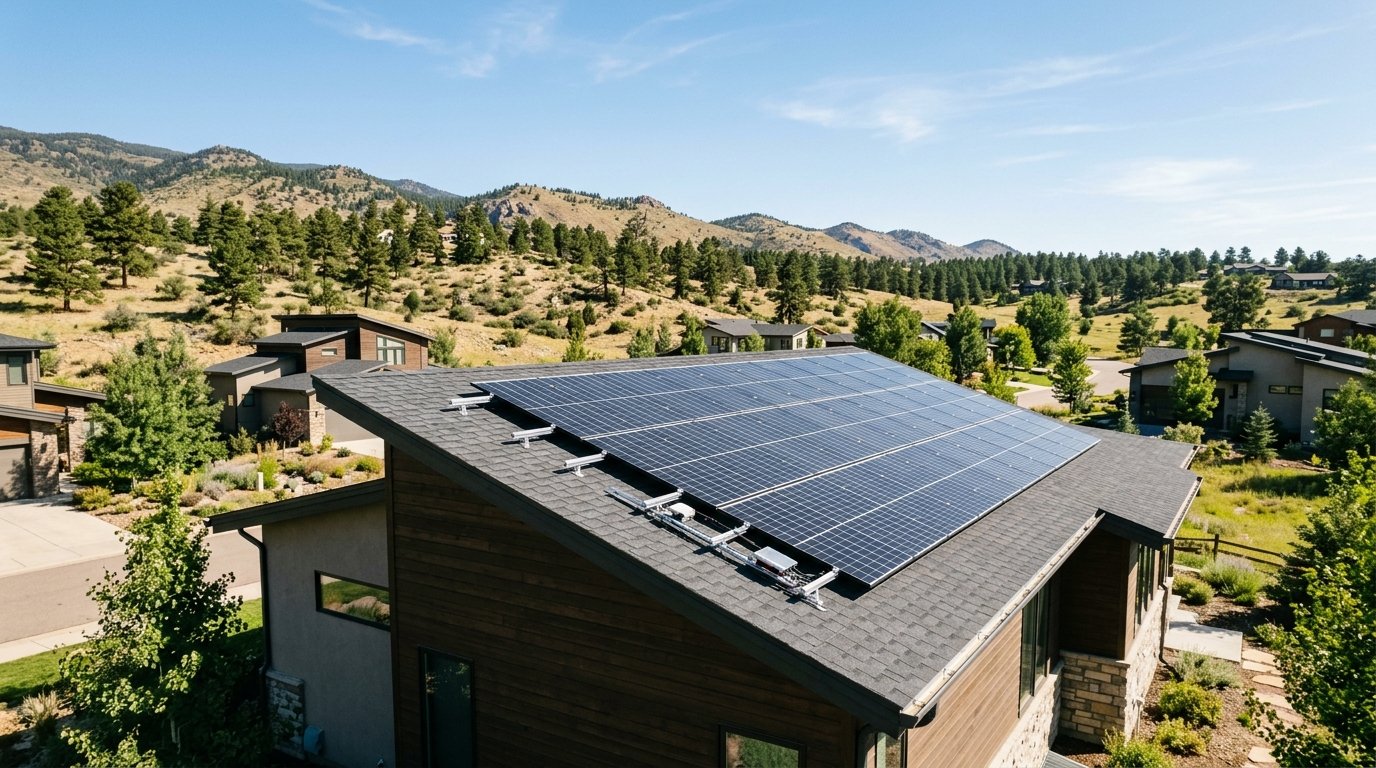
Colorado gives solar buyers a real, dollar-for-dollar break before a single panel ever generates power: the Colorado solar sales tax exemption removes state sales and use tax from qualifying renewable energy equipment. On a typical residential system, that exemption saves you the state's portion of sales tax on the hardware, which adds up quickly when panels, inverters, racking, and a battery are all on the invoice. The catch is in the word state. Colorado's home-rule cities and special taxing districts can still apply their own local taxes, so what you actually pay depends a lot on where you live.
This guide explains what the exemption covers, what it does not, how the renewable energy sales-tax exemption certificate works, and why two neighbors in different cities can see different numbers on the same equipment.
What the Colorado solar sales tax exemption covers
Colorado statute exempts components used to produce alternating current electricity from a renewable energy source from the state sales and use tax. In plain terms, the core of a solar energy system is not taxed at the state level. That generally includes:
- Solar photovoltaic panels (modules)
- Inverters and microinverters
- Mounting hardware and racking
- Balance-of-system components such as wiring, combiner boxes, and disconnects tied to the generating system
- Energy storage equipment that stores electricity produced by the renewable source
The exemption is meant to apply to the equipment that makes and stores your clean power, not to every line item on a project. It is one of several state-level incentives stacked together in Colorado, and it works alongside the property tax side of the picture covered in our guide to the Colorado solar property tax exemption. Together, these two exemptions mean you are not taxed on the equipment going up and not taxed on the home value it adds.
What may not be exempt
Not every cost on a solar contract is renewable energy equipment. Items that fall outside the generating system can still be taxable depending on how they are billed and where the work happens. Common gray areas include:
- General electrical materials for a main panel or service upgrade that would be needed regardless of solar
- Roofing or structural work bundled into a project
- Tools, consumables, and certain miscellaneous supplies
- Local sales and use taxes in jurisdictions that do not mirror the state exemption
Because the line between exempt generating equipment and taxable general materials can be fuzzy, the way your installer itemizes the proposal matters. A clear, well-organized quote makes the exemption easier to apply correctly and easier to defend if anyone ever asks. If you want to see how the savings fit alongside rebates and credits, start with our overview of Colorado solar incentives in 2026.
The home-rule city wrinkle
Here is where the Colorado solar sales tax exemption gets local. Colorado is a patchwork of taxing authorities. The state sets the state exemption, but home-rule cities collect and administer their own sales tax and are not bound to follow the state's exemptions. That means a home-rule municipality can choose to tax solar equipment even though the state does not.
Some home-rule cities mirror the state and exempt solar. Others tax it. And at least one takes a different path entirely. The City of Boulder, for example, generally collects its local tax on solar equipment and then offers a rebate of that tax rather than exempting it at the point of sale. The end result can be similar, but the mechanics are different: you pay the local tax up front and apply to get it back. We cover Boulder's process, permitting, and solar access rules in our Boulder solar permit guide.
The practical takeaways:
- Statutory cities that follow the state's tax base typically honor the state exemption automatically.
- Home-rule cities set their own rules. Some exempt solar, some tax it, and some rebate it.
- Your installer should know the rules for your specific city, but it is smart to confirm with the city's finance or sales tax office.
Special districts and the RTD question
City lines are not the only thing that affects your bill. Across the Denver metro and other parts of the state, special districts layer additional sales tax on top of city and state rates. The Regional Transportation District (RTD) and the Scientific and Cultural Facilities District (SCFD) are common examples in the metro area.
Whether a special-district tax applies to solar equipment depends on that district's own rules and how the sale is sourced. This is exactly why two homeowners buying identical systems can pay different totals: one may sit inside an RTD special-district boundary while the other does not, or their cities may treat the exemption differently. The state piece is consistent. The local and district pieces are not.
How the exemption is actually applied
You usually do not file paperwork yourself to get the state sales tax exemption on residential solar. In practice it works through your installer and the renewable energy sales-tax exemption framework:
- Your installer identifies which equipment qualifies as exempt renewable energy components.
- The state sales tax is not charged on those qualifying components on your invoice.
- Any applicable local or special-district tax is handled according to that jurisdiction's rules, which may mean it is exempt, charged, or charged and later rebated.
- Documentation, including any renewable energy sales-tax exemption certificate used in the supply chain, supports the treatment if it is ever reviewed.
Because the exemption is applied at the point of sale rather than claimed on your tax return, the savings show up directly in your project price. That is different from a tax credit, which you claim later. To compare how the various Colorado benefits are claimed and when, it helps to read them side by side in our Colorado solar incentives roundup.
Why this matters for your project budget
The sales tax exemption is not the flashiest solar incentive, but it is one of the most reliable. It is not tied to a funding window that can run out, and it is not a credit that depends on your tax liability. It simply lowers what you pay for equipment at purchase. For Colorado homeowners weighing a system, that makes the exemption a dependable part of the math from the Front Range to the Western Slope.
The smartest move is to get an itemized proposal that clearly separates exempt generating equipment from any taxable general materials, and to verify your local city and special-district treatment before you sign. Rules vary by jurisdiction and can change, so confirm the current local rules with your city's sales tax office.
As a Colorado solar company working across the Front Range and Western Slope, ProGreen Solar builds proposals that spell out how the exemption applies to your specific address and utility, so there are no surprises at signing. If you are ready to see the numbers for your home, you can explore residential solar with ProGreen and get a clear, itemized quote that reflects the Colorado solar sales tax exemption from the start.
Frequently Asked Questions
Does the Colorado solar sales tax exemption apply to the whole solar project cost?
No. The state exemption applies to qualifying renewable energy generating and storage equipment, such as panels, inverters, racking, and batteries. General materials like a main panel or service upgrade, roofing work, and certain supplies can still be taxable depending on how they are billed and where the project is located.
Do I have to charge or claim the exemption myself?
For residential solar it is normally handled at the point of sale by your installer rather than filed by you. The state sales tax is simply not charged on qualifying equipment on your invoice. Local and special-district taxes are applied according to each jurisdiction's own rules.
Why does Boulder tax solar and then rebate it instead of exempting it?
Boulder is a home-rule city, which means it administers its own sales tax and is not required to follow the state exemption. Boulder generally collects its local tax on solar equipment and offers a rebate of that tax instead of exempting it at purchase. The result can be similar, but you pay the local tax first and then apply to get it back.
Does RTD or another special district tax apply to my solar equipment?
It can. Special districts such as RTD layer additional sales tax on top of state and city rates in some areas. Whether that tax applies to solar equipment depends on the district's rules and where the sale is sourced, which is one reason two homeowners with identical systems can pay different totals.
How is the sales tax exemption different from a solar tax credit?
The sales tax exemption lowers what you pay for equipment at the time of purchase, so the savings show up directly in your project price. A tax credit is claimed later on a tax return and usually depends on your tax liability. The exemption does not depend on your tax situation.
Will the home value from solar raise my property taxes in Colorado?
Colorado also exempts the added home value from residential solar from property tax, so adding solar does not increase your property tax bill the way a typical home improvement might. That is a separate exemption from the sales and use tax exemption covered here.
Disclaimer: This article is general information, not tax or legal advice. Tax credits, deadlines, and IRS guidance change frequently and depend on your specific situation. Consult a qualified tax advisor or attorney before acting. Accurate as of June 24, 2026.
Ready to Go Solar?
Get a free personalized quote from ProGreen Solar, Colorado's most trusted installer.
Get a Free Quote