


Poudre Valley REA Solar Guide: Net Metering, $255 Fee and 25 kW Cap
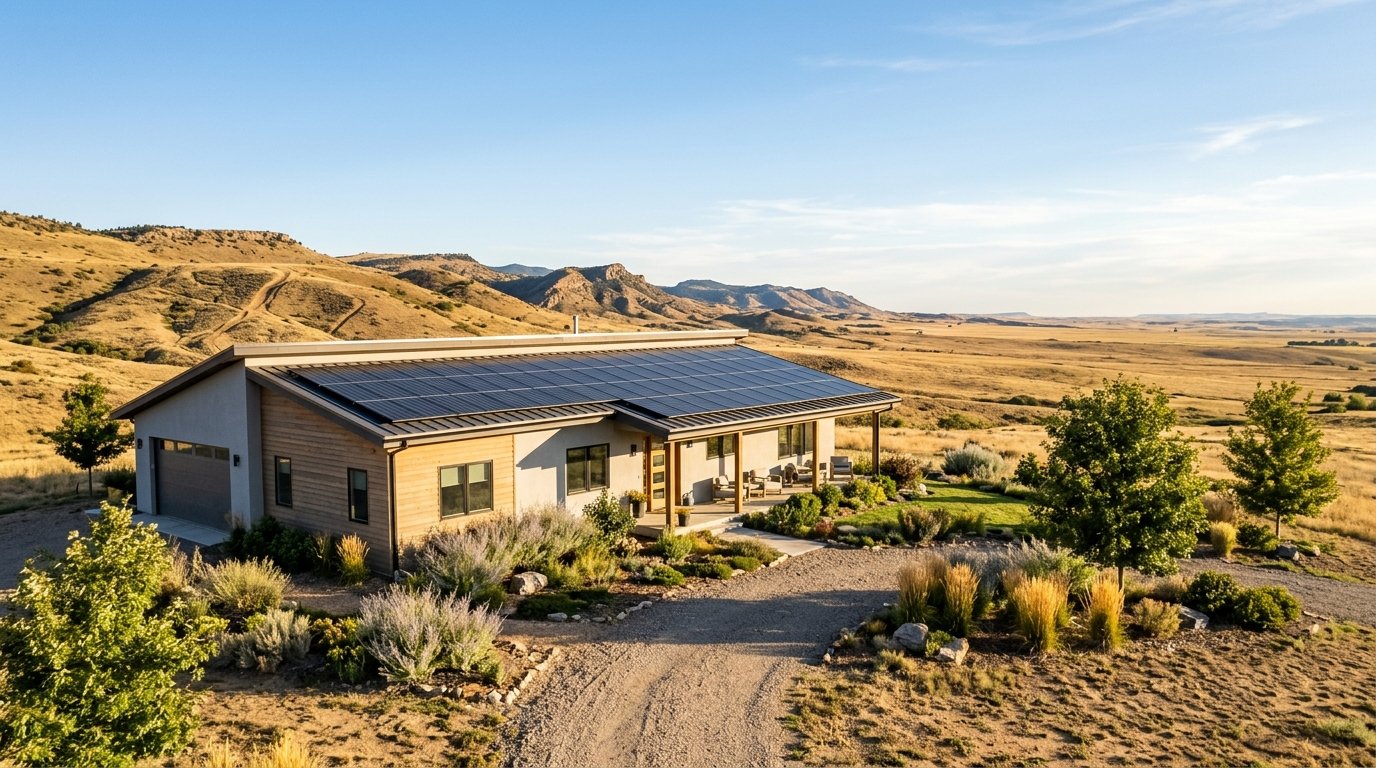
If you live in Poudre Valley REA territory and you are weighing solar, the short answer is that PVREA solar works well for most homes, with a few co-op specific rules to plan around. Under Poudre Valley REA's net metering tariff (Schedule NP), residential systems must stay under 25 kW or 120% of your historical usage, whichever is the relevant limit, and there is a one time net meter fee of roughly $255. Get those three numbers right and the rest of the process looks a lot like any other Colorado install.
Poudre Valley REA, often shortened to PVREA, is a member owned electric cooperative serving northern Colorado, including the outskirts of Fort Collins, much of Loveland, Windsor and Wellington, along with the surrounding rural areas. Because it is a co-op rather than an investor owned utility like Xcel, its rules, fees and credit structure are set locally. That is good news for plainspoken, predictable solar, but it means the details differ from what your neighbor on a different utility may have experienced.
How Poudre Valley REA solar net metering works
Net metering is the billing arrangement that gives you credit for the solar energy your system sends back to the grid. When your panels produce more than your home is using, the excess flows out to PVREA's lines and your meter records that export. When you pull power at night or on cloudy days, you draw from the grid as usual. At the end of the billing period, you are charged for your net consumption, which is what you used minus what you sent back.
If you are new to the concept, our overview of how net metering works walks through the mechanics in detail. The key point for PVREA members is that the co-op's Schedule NP tariff defines how those exported kilowatt hours are credited and how any leftover credits are handled over time. Co-ops vary widely here: some offer full retail one to one credit, others settle excess generation at a lower avoided cost rate on a periodic basis. Because these terms can be adjusted by the co-op's board, you should confirm the current credit basis and true up schedule directly with Poudre Valley REA before you sign a contract.
The 25 kW cap and the 120% sizing rule
Two limits shape how big your system can be in PVREA territory:
- The 25 kW ceiling. Residential net metered systems under Schedule NP are generally capped at 25 kW. That is a generous limit for almost every single family home. Most Colorado houses land somewhere between 6 kW and 12 kW, so the cap rarely binds unless you have very high electric heating, a large shop, or multiple EVs.
- The 120% of historical usage rule. Your system is also expected to be sized to roughly your own consumption, with headroom up to about 120% of your historical annual usage. This rule keeps net metering aimed at offsetting your own load rather than running a generation business behind the meter.
In practice, the 120% rule is the one most homeowners run into first, because it ties your system size to your past electric bills. If you are planning to add load soon, for example a heat pump, an EV charger, or an addition, talk to your installer about documenting that anticipated usage so the design accounts for it rather than capping you to last year's smaller footprint.
It also helps to pull a full year of usage rather than a single month. Northern Colorado homes swing hard between seasons: air conditioning and irrigation pumps drive summer bills up, while electric heat and shorter days drive winter usage in the opposite direction. Sizing to a true twelve month average, then applying the 120% allowance, gives you a system that offsets a meaningful share of your annual bill without bumping against the co-op's limit. We build that usage analysis into every proposal so the size we recommend is grounded in your actual meter data, not a rule of thumb.
What if you are all electric or high usage?
For larger northern Colorado homes, the math still tends to work out under the 25 kW cap, but battery storage becomes a sensible companion. Pairing storage with solar lets you store midday production for evening use, ride through outages, and get more value out of every kilowatt hour you generate. We cover the broader cost picture, including how system size drives price, in our guide to solar panel cost in Colorado.
The $255 net meter fee and other interconnection costs
Poudre Valley REA charges a one time net meter fee of approximately $255 to set up your interconnection and bidirectional metering. This is a normal part of going solar with a co-op and is typically rolled into your project. Because co-op fee schedules can change, treat the $255 figure as current guidance and verify the exact amount with PVREA when you apply, since the number may have been updated after this guide was written.
Beyond that fee, budget for the standard pieces of any interconnection: the application and review process, an inspection by the local authority having jurisdiction, and the co-op's final approval to operate, often called permission to operate. A reputable installer handles the paperwork and coordinates the meter swap so you are not chasing forms.
How PVREA fits with the larger northern Colorado utility map
Northern Colorado has an unusually patchwork utility map, which is why your exact address matters so much. Poudre Valley REA serves many rural and suburban pockets, while the cities of Fort Collins and Loveland run their own municipal utilities supplied at wholesale by the Platte River Power Authority. Just to the south and east, the United Power cooperative serves communities like Brighton, Mead and Firestone with its own banking and sizing rules. It is common for two homes a few miles apart to fall under completely different programs, fees and caps.
That is exactly why we start every northern Colorado project by confirming which utility actually serves the meter, then designing to that utility's specific tariff. A system sized perfectly for a United Power member could run afoul of PVREA's 120% rule, and vice versa.
Why work with ProGreen Solar in PVREA territory
ProGreen Solar is a Colorado company serving the Front Range and the Western Slope, headquartered just down the road in Longmont. We are a licensed electrical contractor, EC.0101788, with an A plus rating from the BBB. That local footprint matters with a co-op like Poudre Valley REA, where knowing the application process, the meter requirements and the inspection expectations keeps your project moving instead of stalling on a technicality.
We also design for where you are actually headed, not just where you have been. If you are planning to electrify your heating or add an EV, we factor that into the 120% sizing conversation up front so your system is not undersized the day it turns on.
Getting started
Going solar with Poudre Valley REA is straightforward once you account for the 25 kW cap, the 120% sizing rule and the roughly $255 net meter fee. The smartest first step is a usage review so we can size your system to your home and confirm the current PVREA tariff terms together. When you are ready, visit our residential solar page or reach out for a no pressure assessment of your northern Colorado home. We will confirm your utility, model your savings, and lay out exactly how PVREA net metering applies to your address.
Frequently Asked Questions
What is the system size cap for solar under Poudre Valley REA?
Residential net metered systems under PVREA's Schedule NP are generally capped at 25 kW. Systems are also expected to be sized to about 120% of your historical annual usage, so for most homes the 120% rule is the practical limit rather than the 25 kW ceiling.
How much is the Poudre Valley REA net meter fee?
PVREA charges a one time net meter fee of roughly $255 to set up your interconnection and bidirectional meter. Co-op fees can change, so confirm the current amount with Poudre Valley REA when you apply.
Does Poudre Valley REA offer net metering?
Yes. PVREA offers net metering under its Schedule NP tariff, which credits the excess solar energy your system exports to the grid. The exact credit basis and true up schedule are set by the co-op, so verify the current terms directly with Poudre Valley REA before signing.
What towns does Poudre Valley REA serve?
Poudre Valley REA serves much of northern Colorado, including the outskirts of Fort Collins, parts of Loveland, Windsor, Wellington and surrounding rural areas. Because nearby cities run their own utilities, confirm which utility actually serves your meter before designing a system.
Can I size my solar system for future EV or heat pump loads in PVREA territory?
Often yes. The 120% sizing rule is based on historical usage, but you can ask your installer to document anticipated new loads such as an EV charger, heat pump or addition so the design accounts for them rather than capping you to last year's lower usage.
Is solar worth it with Poudre Valley REA?
For most northern Colorado homes in PVREA territory, solar pencils out well thanks to strong sun, reasonable co-op rules and net metering. The right answer depends on your usage, roof and budget, so a usage review and a current tariff check are the best way to confirm savings for your address.
Disclaimer: Utility program details (incentives, caps, fees, and rates) change frequently by board or commission action. Verify current details directly with your utility before making decisions. Accurate as of June 24, 2026.
Ready to Go Solar?
Get a free personalized quote from ProGreen Solar, Colorado's most trusted installer.
Get a Free Quote